
News
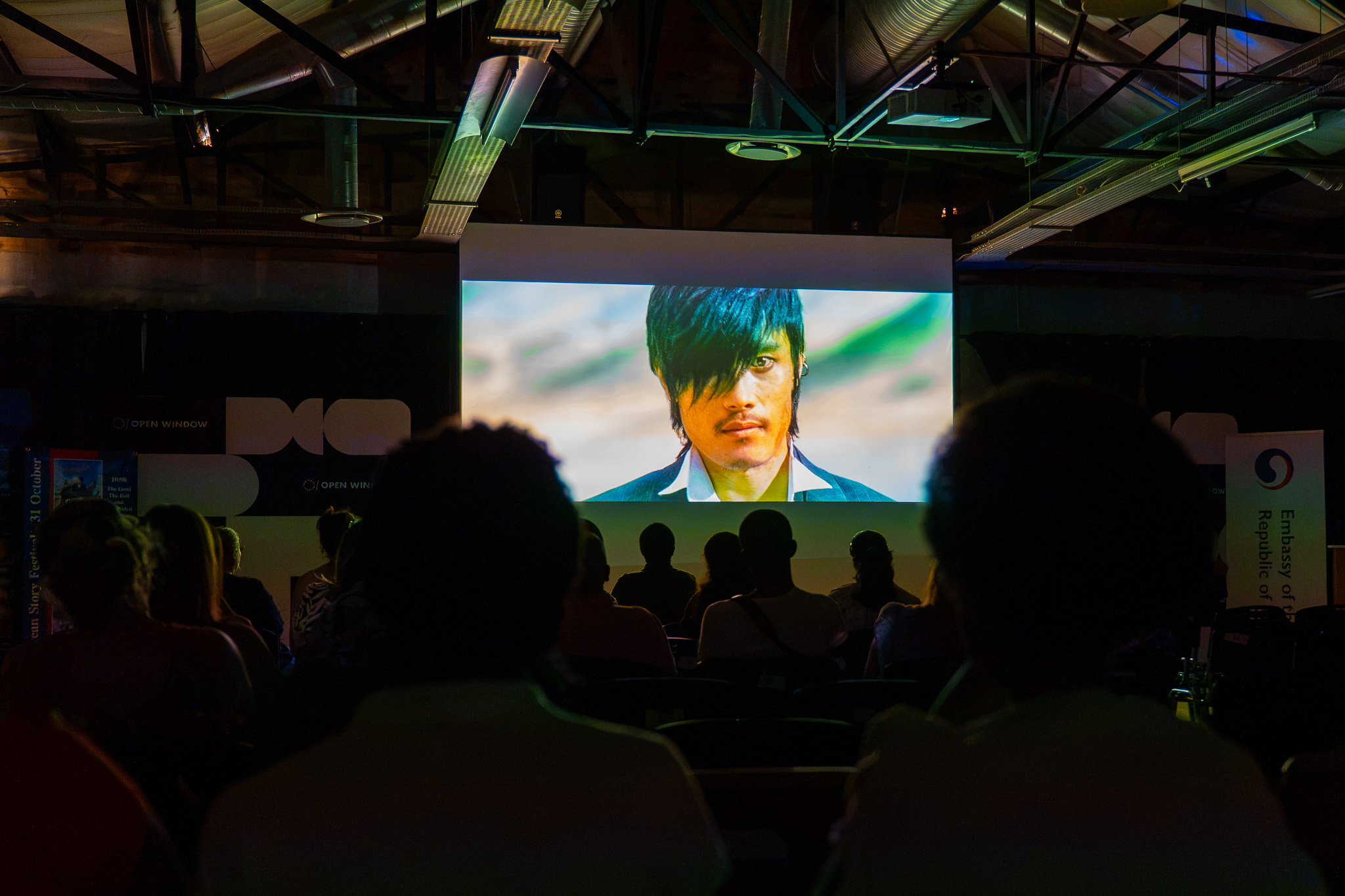
Korean Wave Meets South African Flair at Korean Film & Food Festival
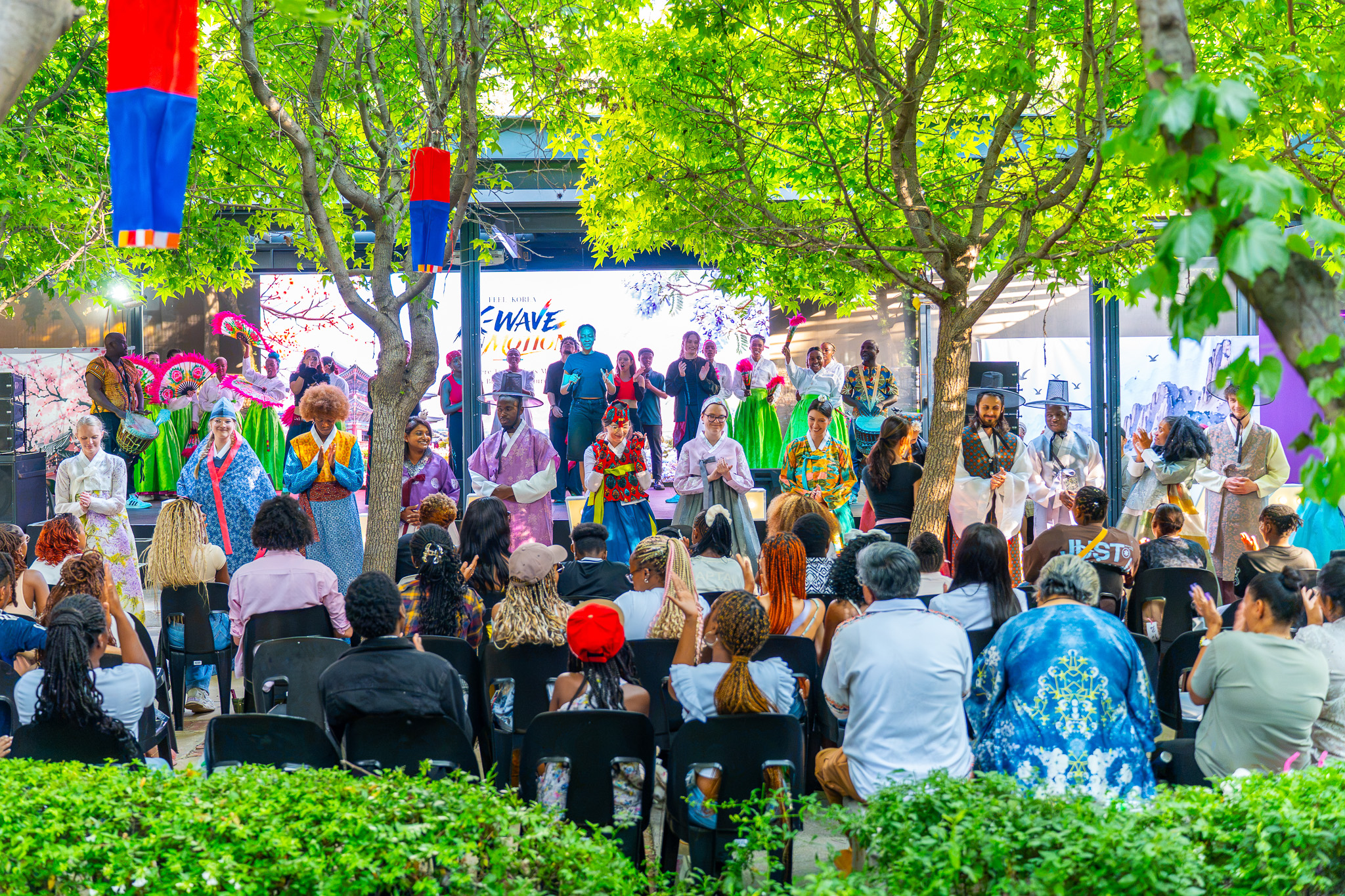
What happens when Korean traditional dance meets the rhythms of African drums, South African voices take on K-pop, and the country's homegrown sounds of amapiano and gqom find their way into Korean dance performances?
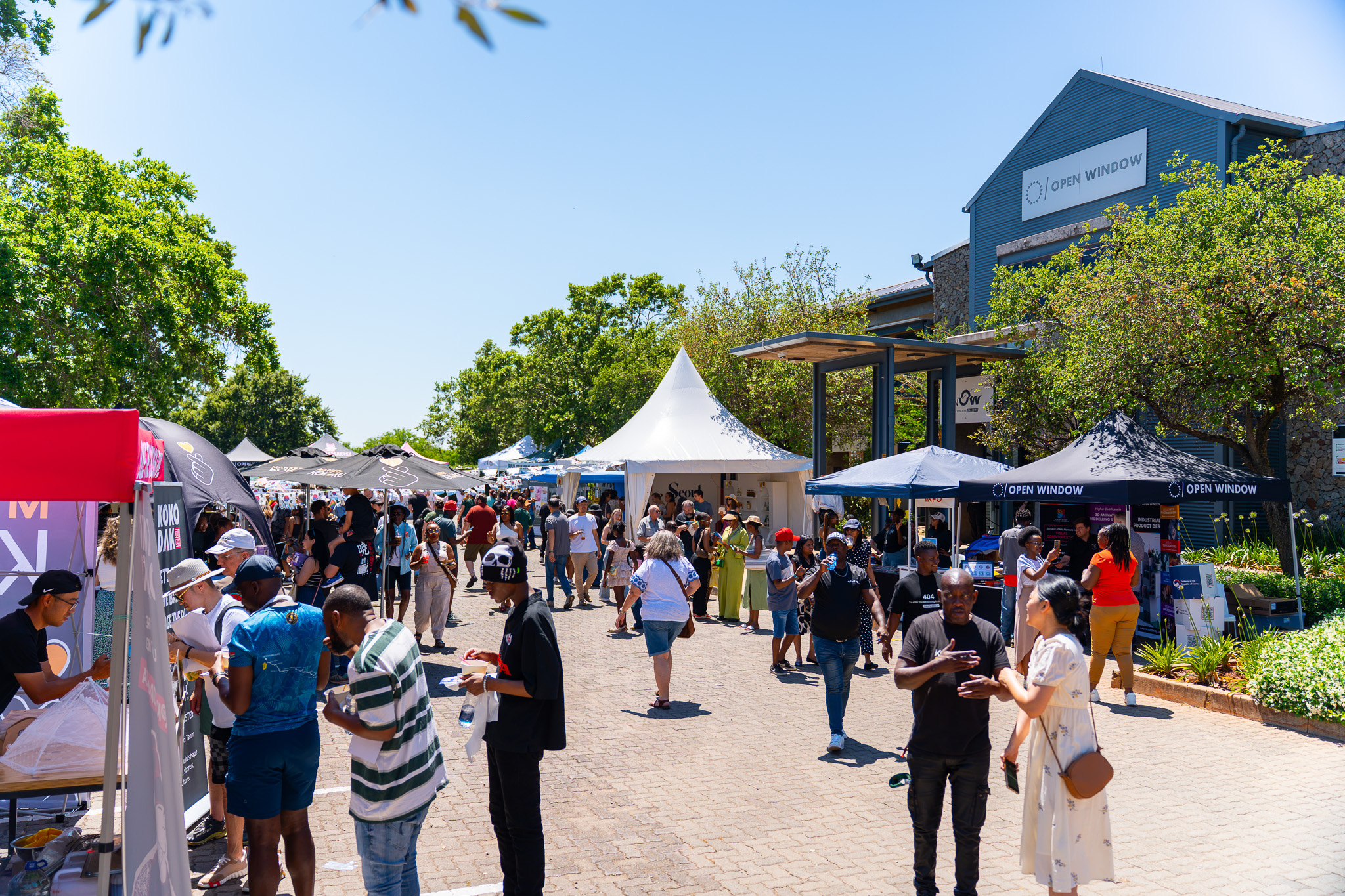
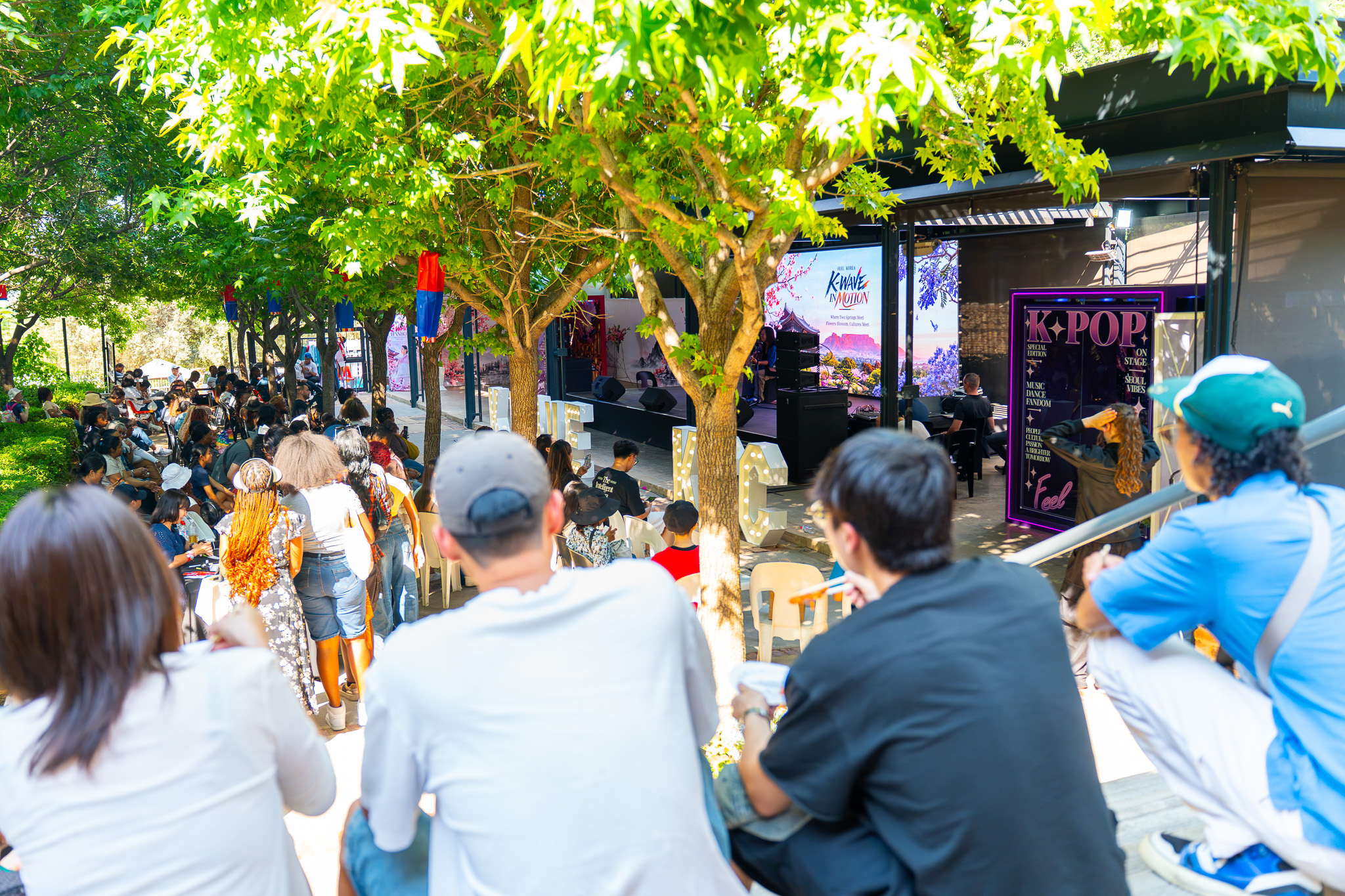
That combination was at the heart of K-Wave in Motion, a two-day celebration of Korean and South African music, dance and fashion at Open Window in Centurion, held as part of the 2026 Korean Film & Food Festival.
While the festival brought visitors together through Korean cinema and cuisine, K-Wave in Motion took the experience beyond the screen and the dining table. Traditional Korean dancers, South African singers and percussionists, and local K-pop performers shared the programme, bringing different musical traditions and contemporary influences into the same space.
The result was a celebration that went beyond introducing Korean culture to a South African audience. Local performers played an active role in the programme, adding their own voices, rhythms and interpretations to Korean music and dance.
One of the highlights came from a South African a cappella group, which performed traditional South African songs alongside Korean music. The group's interpretations brought Korean melodies into a different vocal setting, using their own harmonies and musical style to give the songs a distinctly local character.
Traditional performance was another central part of the programme.
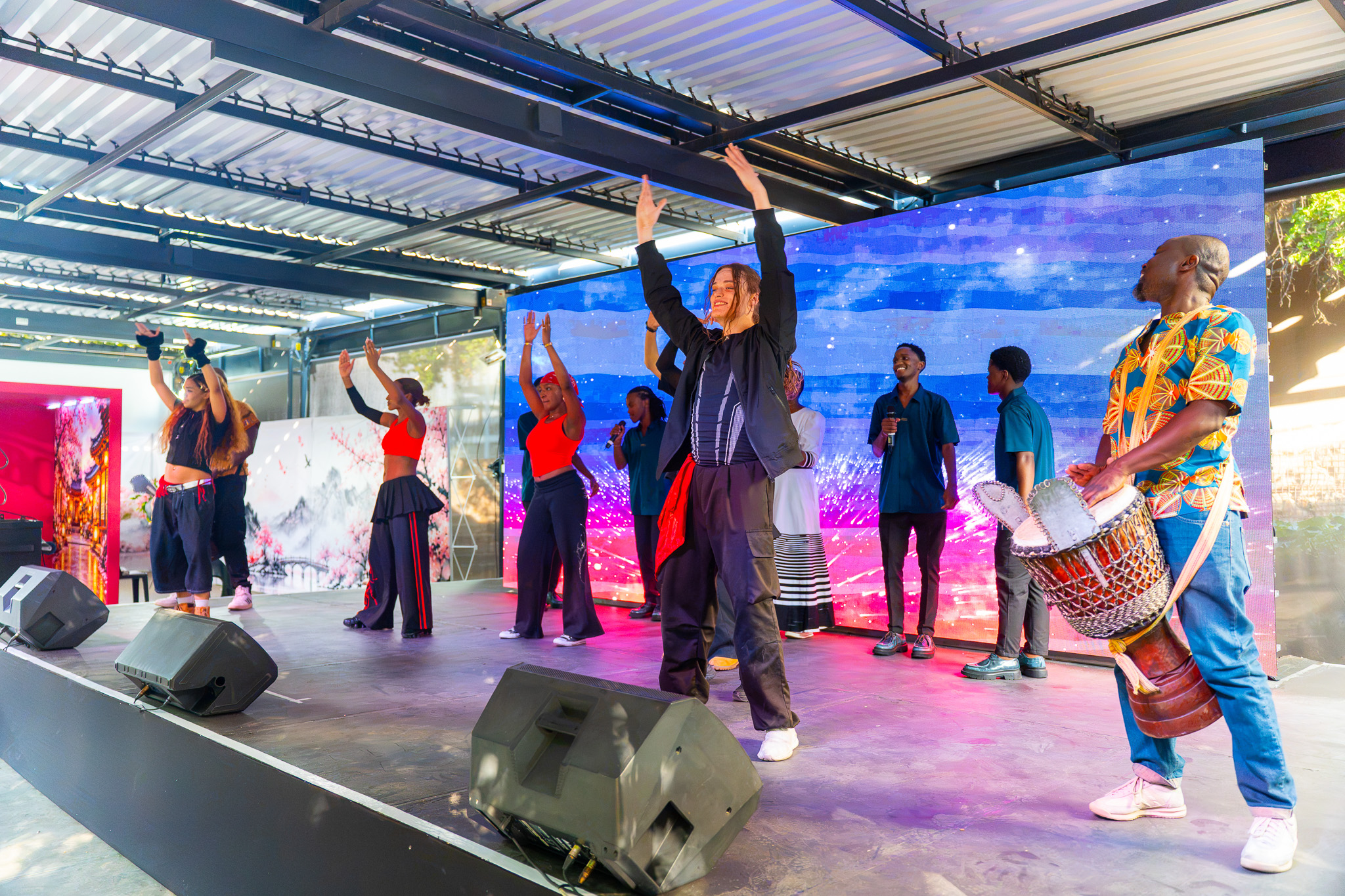
The deep, driving rhythms of the djembe, a West African hand drum, featured alongside Korean traditional dance, including buchaechum (fan dance), known for its flowing movements and colourful fans, and sogo dance, performed with small handheld drums.
The performances gave audiences a chance to experience the different qualities of Korean and African performing arts, from the graceful formations of Korean dance to the energy of African percussion.
But the cultural exchange was not confined to traditional art forms.
K-pop dancers brought contemporary Korean choreography together with amapiano and gqom, two genres that originated in South Africa and have become an important part of the country's contemporary music and dance culture.
The crossover performances combined the precision and visual energy of K-pop with distinctly South African rhythms and movement, showing how popular culture can travel between countries and take on new forms along the way.
The programme also included K-pop dance showcases and Random Play Dance sessions, inviting festivalgoers to join in rather than simply watch from the sidelines.
Fashion offered another take on the meeting of cultures.
A Hanbok fashion showcase presented Korea's traditional attire with elements inspired by South African patterns and colours. The designs brought together the recognisable silhouettes and flowing lines of Hanbok with local visual influences, offering a creative interpretation of both countries' cultural identities.
The festival setting itself carried a similar idea.
Under the theme of two springs coming together, the venue was decorated with pink Korean cherry blossoms and purple South African jacarandas. Although the two trees blossom in different parts of the world, both are closely associated with spring and the arrival of a new season.
The combination gave the festival a distinctive visual identity, bringing together two familiar seasonal symbols in one shared space.
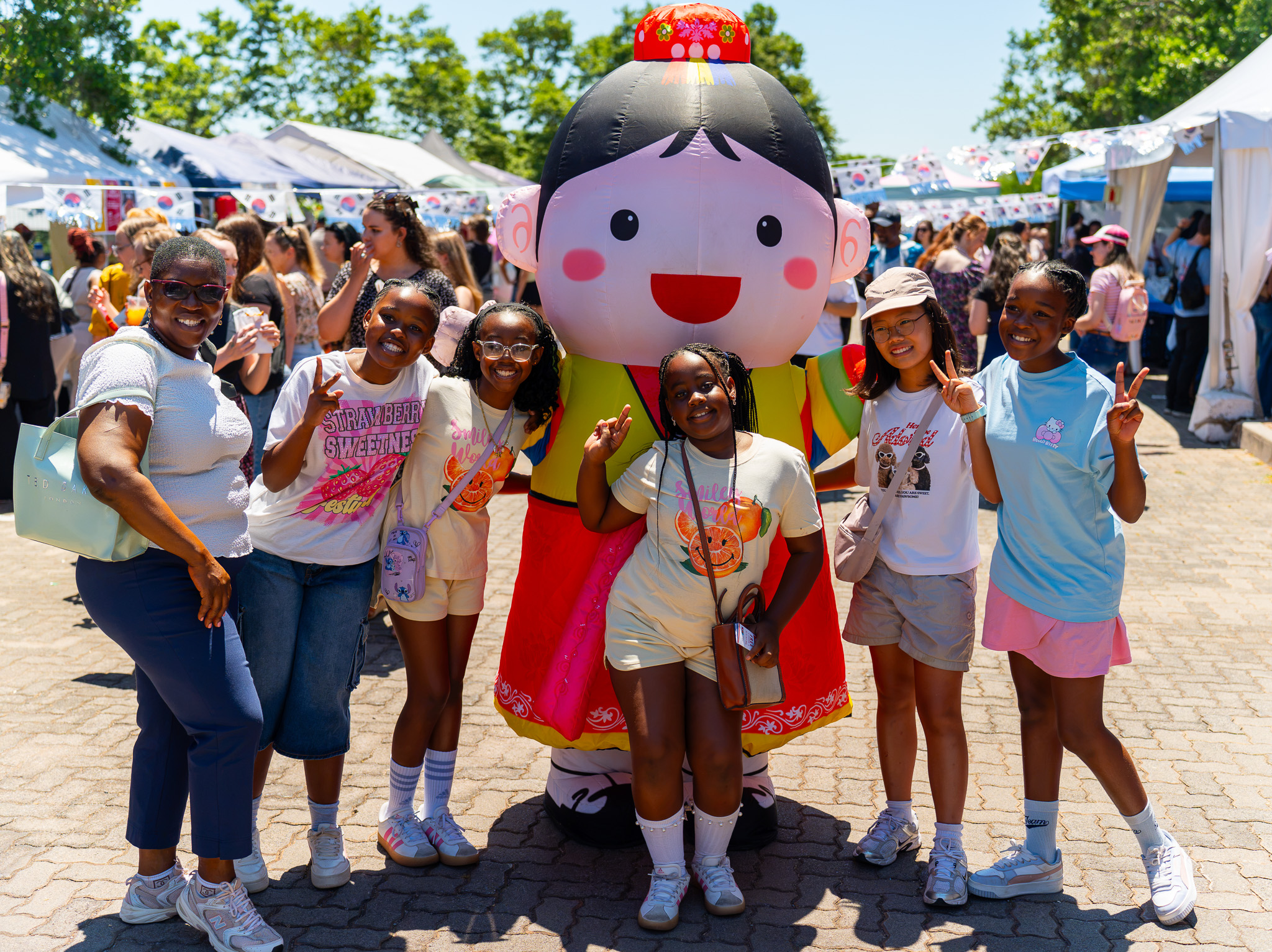
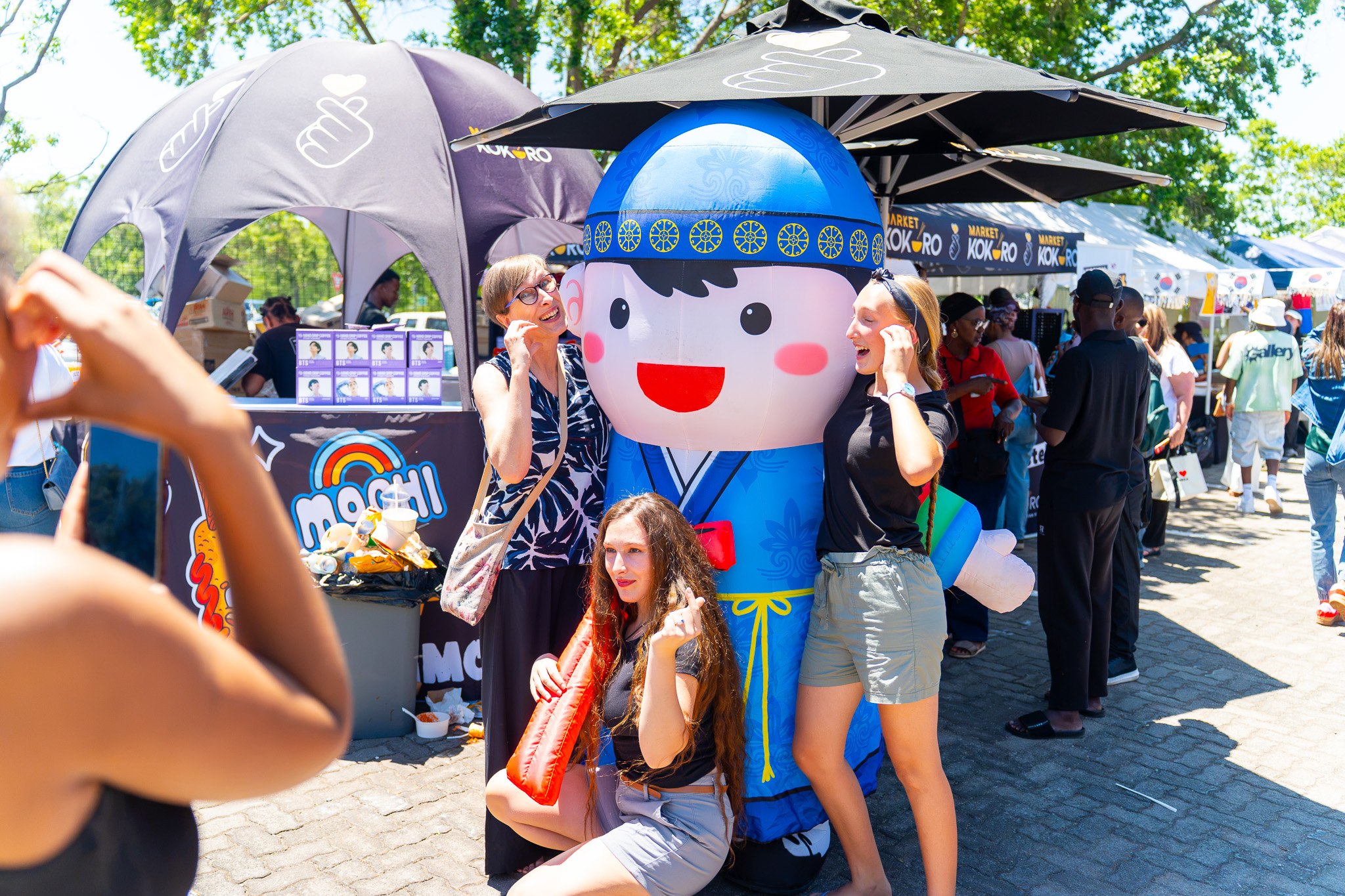
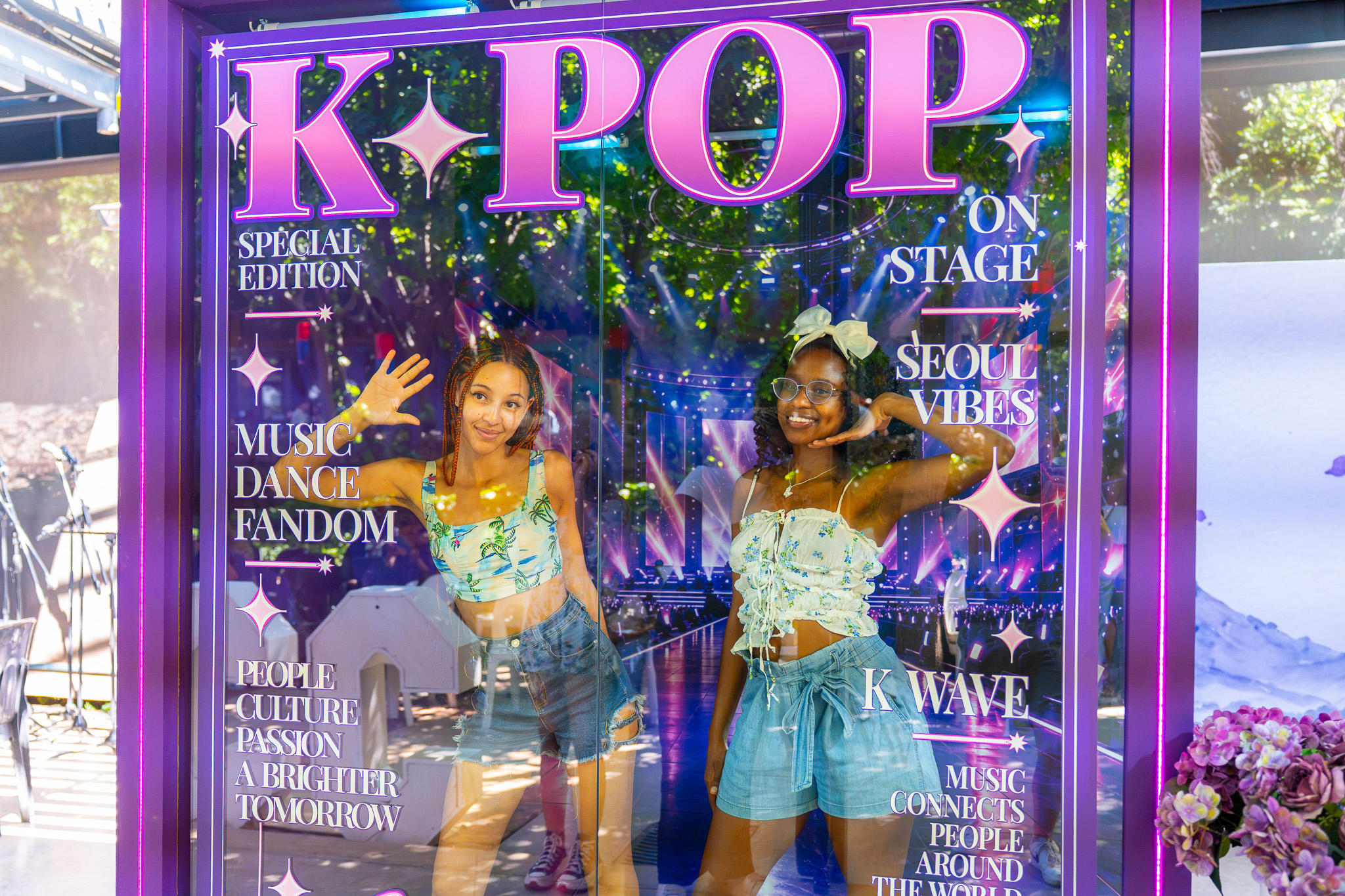
Visitors could also take part in hands-on cultural activities, including trying on Hanbok and taking photographs among the cherry blossom and jacaranda displays.
For Jiyeol YOU, Director of the Korean Cultural Centre in South Africa, the spring theme reflected the wider purpose of the event.
“South Africa's jacarandas and Korea's cherry blossoms bloom in different parts of the world, but they share something in common: the beauty and sense of new beginnings they bring to people,” he said.
“We wanted this event to reflect that same idea. Just as the two spring seasons came together in our festival setting, different cultures can meet and create something beautiful and meaningful together.”
YOU added that the Centre hoped to build on the collaborations featured in the programme.
“Korean culture has a long history, but it continues to evolve as it encounters different cultures around the world. We want to create more opportunities for South African artists and communities to participate, collaborate and develop new cultural experiences together.”
K-Wave in Motion was presented by the Korean Cultural Centre in South Africa as part of the 2026 Korean Film & Food Festival, jointly hosted with the Embassy of the Republic of Korea.
By combining film, food, traditional performing arts, contemporary music, fashion and interactive activities, the festival offered visitors several ways to explore Korean culture while highlighting the creative possibilities of collaboration with South African artists.
The programme also reflected the wider K-Initiative, which encourages cooperation between Korean institutions to introduce Korean culture to international audiences through a broader range of cultural experiences.
For the Korean Cultural Centre, the focus remains on creating opportunities for Korean and South African artists to work together, bringing the two countries' cultural traditions and contemporary creative scenes into closer contact.
Korean Cultural Centre in South Africa (KCCSA) | 주남아공한국문화원
• Website: https://sa.korean-culture.org/
• YouTube: https://www.youtube.com/@kccsa
• Instagram: https://www.instagram.com/kcc.sa/
• Facebook: https://www.facebook.com/kccsa

 Facebook
 X
 YouTube
 Instagram
