
News
-
Love K-Dramas? Meet the Digital Comics Behind Korea’s Storytelling Boom
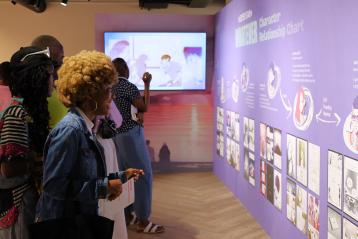
You may have watched a K-drama without realising that its story began somewhere else. Before some Korean stories reached television and film screens, their characters and worlds were already being followed by readers through webtoons, Korea’s distinctive form of digital comics designed to be read vertically by scrolling down a smartphone or computer screen. The name combines “web” and “cartoon”, but what began as a new way of reading comics in Korea has grown into something much bigger. As K-dramas, Korean films and other K-content continue to build audiences around the world, webtoons have become an increasingly important source of stories and creative ideas that travel into television, film, animation, games, music and beyond. The influence is already visible in some of the Korean titles that have travelled furthest internationally. Hit K-dramas such as Itaewon Class, True Beauty, Sweet Home, All of Us Are Dead and Moving all began as webtoons, demonstrating just how widely the format now feeds into the Korean entertainment audiences encounter on screen. Now, a new exhibition in Pretoria is putting this lesser-known creative force behind the Korean Wave in the spotlight. Opened on 1 September at the Korean Cultural Centre in South Africa, WEBTOON: Expanding Connections introduces South African audiences to the evolution of Korean comics and the rise of webtoons, tracing their journey from the printed page to the vertical scroll and, increasingly, from smartphone screens into the wider world of global entertainment. For South Africans accustomed to encountering Korean stories through K-dramas, films and other screen content, the exhibition offers a chance to explore another part of the creative culture behind them. Rather than presenting that story through comics alone, the exhibition brings together comic books, artworks, video, music and installations, showing how changes in technology have transformed not only where comics are read, but how stories are created, experienced and shared. The move from page to screen is only part of that story. WEBTOON: Expanding Connections also looks at the way Korean comics have continually crossed into other areas of popular culture. One particularly colourful example is hip-hop. Across different generations of Korean comics and webtoons, hip-hop has appeared as more than simply music. Its influence can be found in stories about b-boying, fashion, youth culture, identity, freedom and self-expression, making it a fitting example of how comics can absorb the culture around them and transform it into something new. The exhibition explores that relationship through works by four Korean creators. Kim Soo-yong’s Hip Hop, Korea’s first comic centred on b-boying, contributed to the growth of the country’s b-boy culture, while Lee Bin’s O.N.E. tells a story of music and youth against the backdrop of Korea’s 1990s idol culture. Kim Jae-han’s WHATEVER combines webtoon storytelling with hip-hop music, while Kim Bong-hyun’s BLACK-OUT! introduces readers to hip-hop itself as a wider cultural phenomenon. Together, the works point towards the larger idea behind WEBTOON: Expanding Connections. The evolution of Korean comics is not simply a story of paper being replaced by smartphones. It is a continuing exchange between images and music, technology and creativity, creators and audiences, and increasingly, Korea and the wider world. That spirit carried into the exhibition’s opening on 1 September, which attracted members of South Africa’s comics, illustration and wider arts communities alongside general visitors. Guests were introduced to the exhibition through a guided tour, while a special performance bringing K-pop and hip-hop together gave the evening another dimension. The opening also prompted conversations around Korea’s distinctive digital comics culture and the possibilities that emerge as webtoons increasingly connect with other creative industries and audiences. The exhibition comes to South Africa as part of Touring K-Arts, an initiative supporting Korean arts and cultural programmes presented internationally. WEBTOON: Expanding Connections is presented by the Korean Cultural Centre in South Africa and the Korea Manhwa Contents Agency, with Touring K-Arts supported by Korea’s Ministry of Culture, Sports and Tourism and the Korean Foundation for International Cultural Exchange. WEBTOON: Expanding Connections runs at the Korean Cultural Centre in Pretoria until 13 November 2026, with admission free. For South Africans who already know Korea through K-dramas, films, music and other K-content, the exhibition offers a chance to discover another part of the story: the digital comics helping Korean stories move from a scroll on a screen into popular culture around the world. Korean Cultural Centre in South Africa (KCCSA) | 주남아공한국문화원 • Website: https://sa.korean-culture.org/en • YouTube: https://www.youtube.com/@kccsa • Instagram: https://www.instagram.com/kcc.sa/ • Facebook: https://www.facebook.com/kccsa • X: https://twitter.com/KCC_SA
Post Date 01.09.2026 -
Traditional Korean Hairpin Workshop Brings Heritage and Craftsmanship Together Event Date 13.07.2026
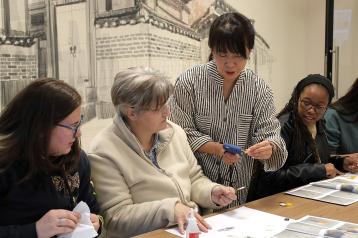
On 13 July, the Korean Cultural Centre in South Africa (KCCSA) hosted a special workshop dedicated to dwikkoji, a traditional Korean ornamental hairpin, offering participants a hands-on introduction to the craftsmanship and cultural heritage behind this distinctive accessory. The workshop began with an introduction to the history and cultural significance of dwikkoji, including its traditional use alongside hanbok (traditional Korean attire). Participants then learned the techniques involved in creating their own hairpins, carefully assembling and decorating each piece to produce a unique design of their own. Through the hands-on process, participants were able to explore the detail and artistry of Korean traditional crafts while discovering how decorative accessories have formed part of Korea’s clothing culture and aesthetic traditions. The workshop offered a creative way to engage with Korean heritage, allowing participants not only to learn about a traditional craft but also to take home a piece they had made themselves. Korean Cultural Centre in South Africa (KCCSA) | 주남아공한국문화원 • Website: https://sa.korean-culture.org/en • YouTube: https://www.youtube.com/@kccsa • Instagram: https://www.instagram.com/kcc.sa/ • Facebook: https://www.facebook.com/kccsa • X: https://twitter.com/KCC_SA
Post Date 12.08.2026 -
Award-Winning Korean Film Sparks Conversation on GBV During Women's Month Event Date 05.08.2026
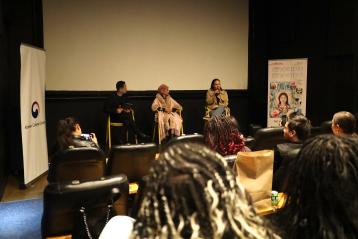
Cinema became a space for difficult conversations this Women's Month as an award-winning Korean film brought Johannesburg audiences together to reflect on gender-based violence, trauma and recovery. Held at The Bioscope on Wednesday, 5 August, the evening centred on The World of Love, the latest film by acclaimed Korean director Yoon Ga-eun. Following the screening, audiences were joined by South African experts for a panel discussion exploring the film's themes and how they resonate with South African audiences. The World of Love follows a high school girl living with the lasting effects of sexual violence as she tries to navigate everyday life. Widely praised for its sensitive portrayal of trauma and healing, the film has received critical acclaim both in Korea and internationally, winning major honours including the Grand Prize at the Nantes Three Continents Festival and the FIPRESCI Prize at the Warsaw International Film Festival. Oscar-winning director Bong Joon-ho also described the film as "a masterpiece." The panel featured Jody van der Heyde, Violence Prevention Researcher at the Institute for Security Studies (ISS), and Dr. Shaheda Omar, Director of the Teddy Bear Foundation. Drawing on their professional experience, the speakers reflected on the realities portrayed in the film, discussing the long-term impact of trauma, the importance of prevention and early intervention, and the role of families, schools and communities in supporting survivors. Audience members remained after the screening for an extended discussion, asking thoughtful questions and sharing reflections on the film's themes. Conversations explored not only trauma and recovery, but also the importance of creating safe spaces where difficult experiences can be acknowledged, understood and discussed openly. The event was presented by the Korean Cultural Centre in South Africa (KCCSA) as a special Women's Month edition of its K-Cinema Club, an ongoing programme introducing acclaimed Korean cinema through screenings and discussions. It also marked the first time the programme had been presented outside the Cultural Centre, bringing K-Cinema Club to Johannesburg audiences at one of the city's best-known independent cinemas. "We chose The World of Love not only because it has been so widely acclaimed, but because it tells a story that resonates far beyond Korea," said Jaeil Lee of the Korean Cultural Centre. "Cinema has a unique way of opening conversations that might otherwise be difficult to have. It was incredibly encouraging to see audiences stay after the screening, engage so openly with our panellists, and reflect on the film together. I hope they left not only having discovered a remarkable Korean film, but also with a deeper understanding of the issues it raises." Korean Cultural Centre in South Africa (KCCSA) | 주남아공한국문화원 • Website: https://sa.korean-culture.org/en • YouTube: https://www.youtube.com/@kccsa • Instagram: https://www.instagram.com/kcc.sa/ • Facebook: https://www.facebook.com/kccsa • X: https://twitter.com/KCC_SA
Post Date 12.08.2026 -
A Night of Korean Horror Brings Local Film Fans Together Event Date 23.07.2026
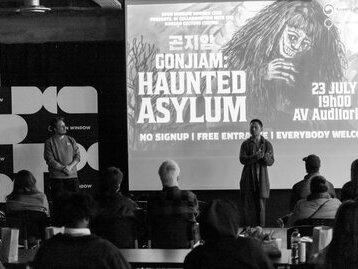
On 23 July, the Korean Cultural Centre in South Africa’s K-Cinema Club teamed up with Open Window Horror Club for a special screening of Gonjiam: Haunted Asylum (2018) at Open Window Institute, bringing together film enthusiasts for an evening dedicated to Korean horror. Inspired by the urban legends surrounding Korea’s abandoned Gonjiam Psychiatric Hospital, Gonjiam: Haunted Asylum follows a group of young people who enter the abandoned facility to livestream a horror experience, only to find themselves confronting increasingly terrifying events. Its found-footage format and immersive approach kept audiences on edge throughout the screening. Following the film, audiences came together for a discussion exploring the film’s approach to fear, the characteristics of Korean horror, and the techniques that make horror effective on screen. The conversation offered an opportunity to exchange different perspectives on the genre and reflect on the experience of watching horror together in a cinema setting. Jaeil Lee from the Korean Cultural Centre also joined the discussion, sharing insights into Korean horror and the genre’s evolution over the years. He highlighted how horror has often served as a space for experimentation in Korean cinema, while also helping launch the careers of emerging actors and filmmakers. “Korean horror has developed its own way of playing with fear while constantly evolving with new generations of filmmakers and audiences,” Lee said. “It was especially exciting to experience the film together with local horror fans and hear the different ways they responded to it.” The collaboration with Open Window Horror Club brought together communities with a shared interest in film and provided a platform to introduce Korean genre cinema to local audiences through both screening and discussion. Korean Cultural Centre in South Africa (KCCSA) | 주남아공한국문화원 • Website: https://sa.korean-culture.org/en • YouTube: https://www.youtube.com/@kccsa • Instagram: https://www.instagram.com/kcc.sa/ • Facebook: https://www.facebook.com/kccsa • X: https://twitter.com/KCC_SA
Post Date 12.08.2026 -
Colours in Motion: Korean Fan Dance Takes the Stage in Pretoria Event Period 06.07.2026 - 18.07.2026
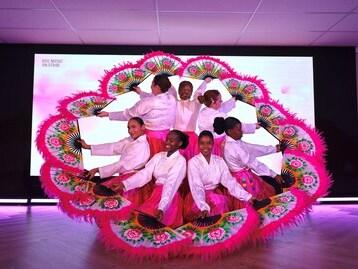
From 6 to 17 July, the Korean Cultural Centre in South Africa (KCCSA) hosted a two-week workshop dedicated to Buchaechum (traditional Korean fan dance), offering participants an intensive introduction to one of Korea’s most visually distinctive traditional performing arts. Led by Master Kim Tae-eun from Korea’s National Gugak Center, the workshop guided participants through the fundamental movements, expressive techniques, and intricate formations that characterise Buchaechum. Working with the dance’s signature colourful fans, participants gradually developed their skills while gaining a deeper understanding of the balance, coordination, and collective expression at the heart of the performance. The programme culminated in a special showcase on 18 July, when participants took to the stage to present what they had learned over the two weeks. Their performance brought together flowing movements and colourful fan formations, marking the completion of their journey from the first steps of the workshop to the final stage. The showcase also featured a special performance of Taepyeongmu, another traditional Korean dance, by Master Kim Tae-eun, giving audiences an opportunity to experience a different dimension of Korea’s rich dance heritage. The programme concluded with a tasting of Korean cuisine, rounding off the afternoon with another aspect of Korean culture. Organised in partnership with the National Gugak Center of Korea, the programme offered South African participants a rare opportunity to learn Korean traditional dance directly from a master practitioner and experience its artistry through both practice and performance. Korean Cultural Centre in South Africa (KCCSA) | 주남아공한국문화원 • Website: https://sa.korean-culture.org/en • YouTube: https://www.youtube.com/@kccsa/ • Instagram: https://www.instagram.com/kcc.sa/ • Facebook: https://www.facebook.com/kccsa • X: https://twitter.com/KCC_SA
Post Date 12.08.2026

 Facebook
 X
X
 YouTube
 Instagram
