
News
Korean and South African Rhythms Come Together on the WOMAD Stage
What happens when centuries-old Korean percussion meets African drums, K-pop meets amapiano and gqom, and South African voices take on some of Korea’s contemporary sounds?
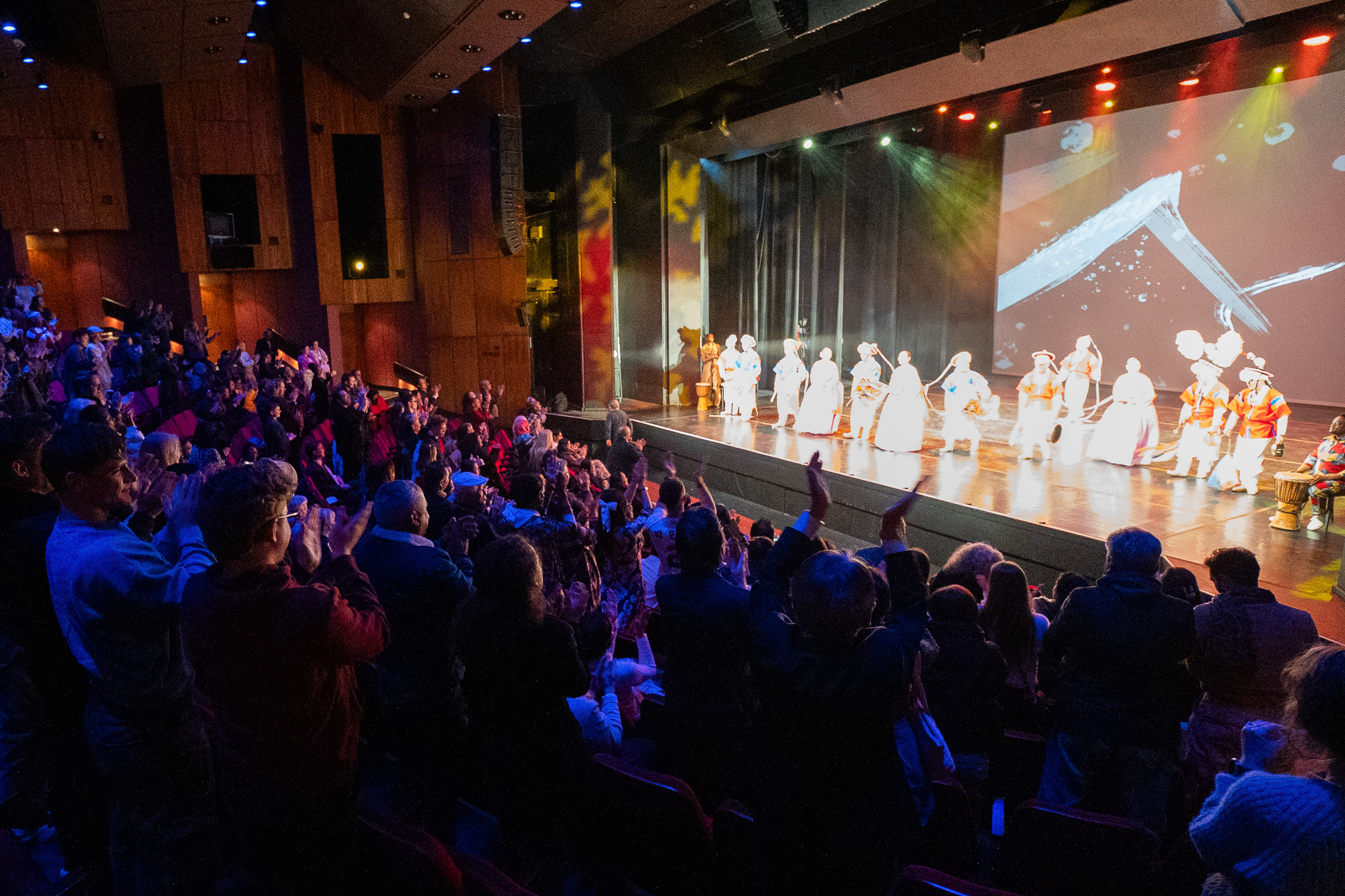
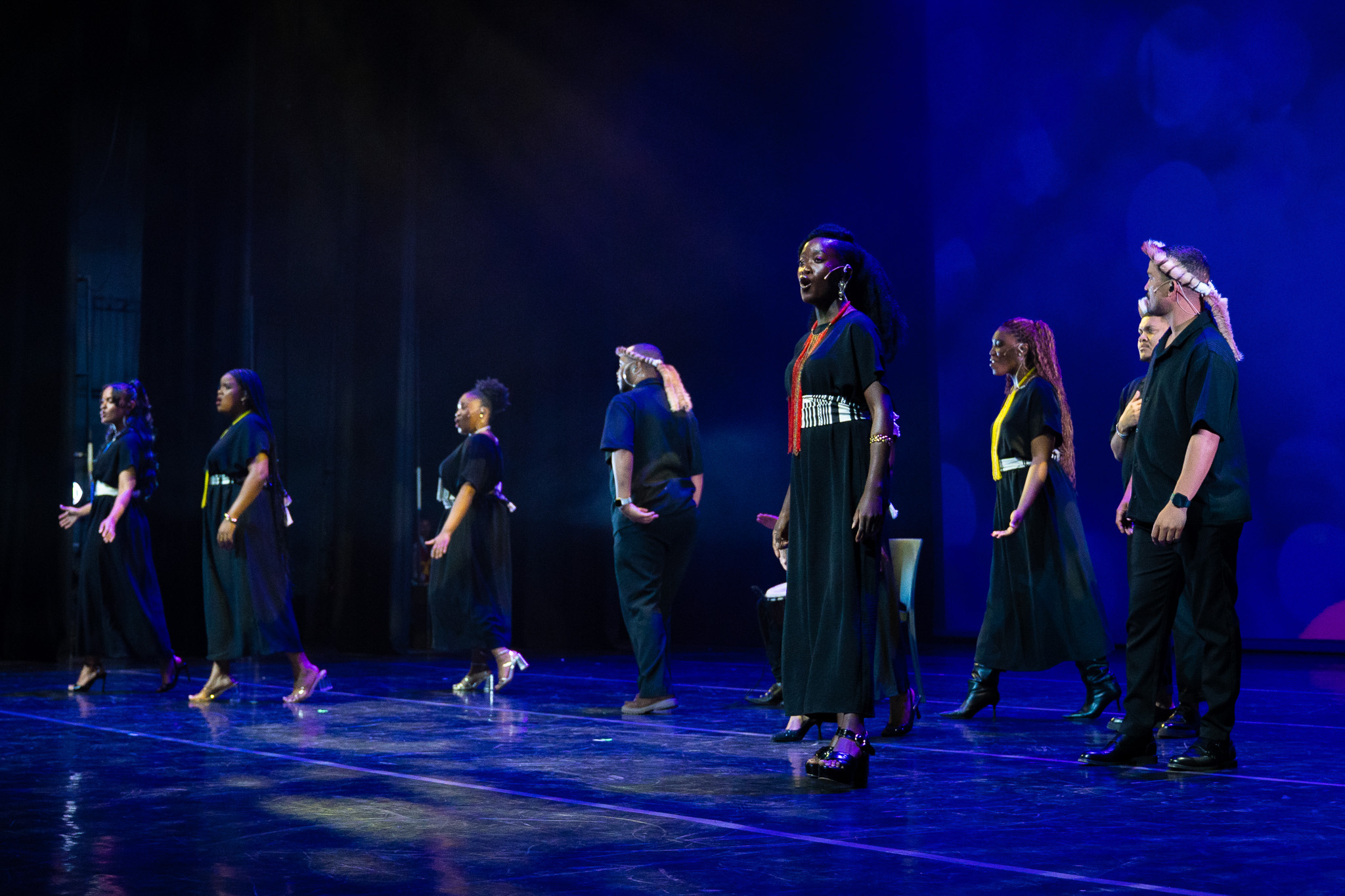
That mix took over the stage at Artscape on Friday evening as Korean and South African performers came together for a special opening-night performance at WOMAD Cape Town 2026, bringing traditional Korean music and dance into conversation with the sounds and movements of South Africa.
At the centre of the performance were artists from the National Gugak Center, Korea’s national institution for traditional music and performing arts, who travelled to Cape Town with a programme spanning traditional percussion, dance and folk performance.
But this was not simply a Korean performance presented to a South African audience.
South African singers, percussionists and dancers were woven throughout the programme, sometimes introducing their own traditions and at other moments stepping directly into Korean music and performance. Korean performers, in turn, shared the stage with African percussion and contemporary South African sounds, turning the evening into an exchange rather than a conventional cultural showcase.
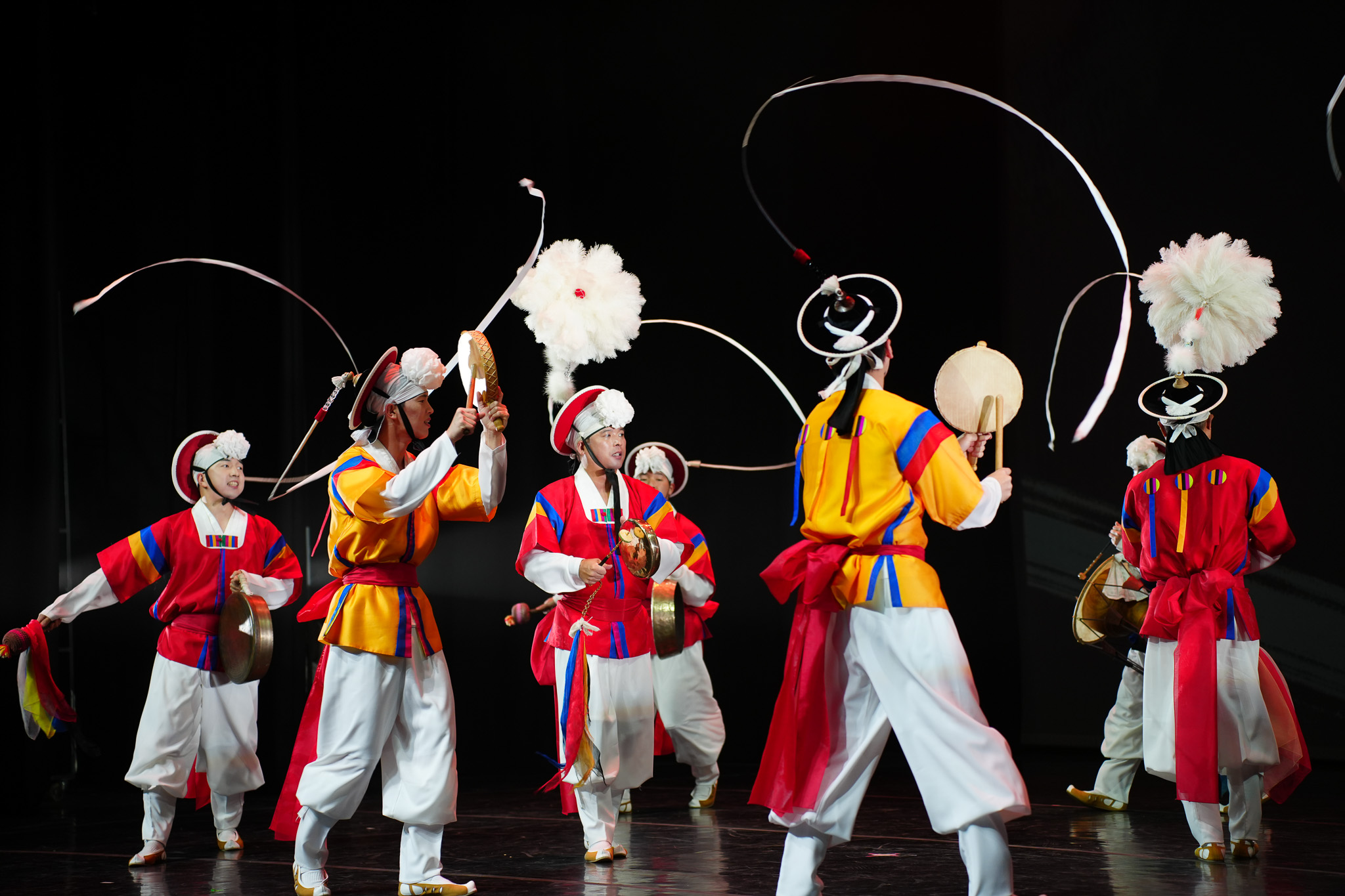
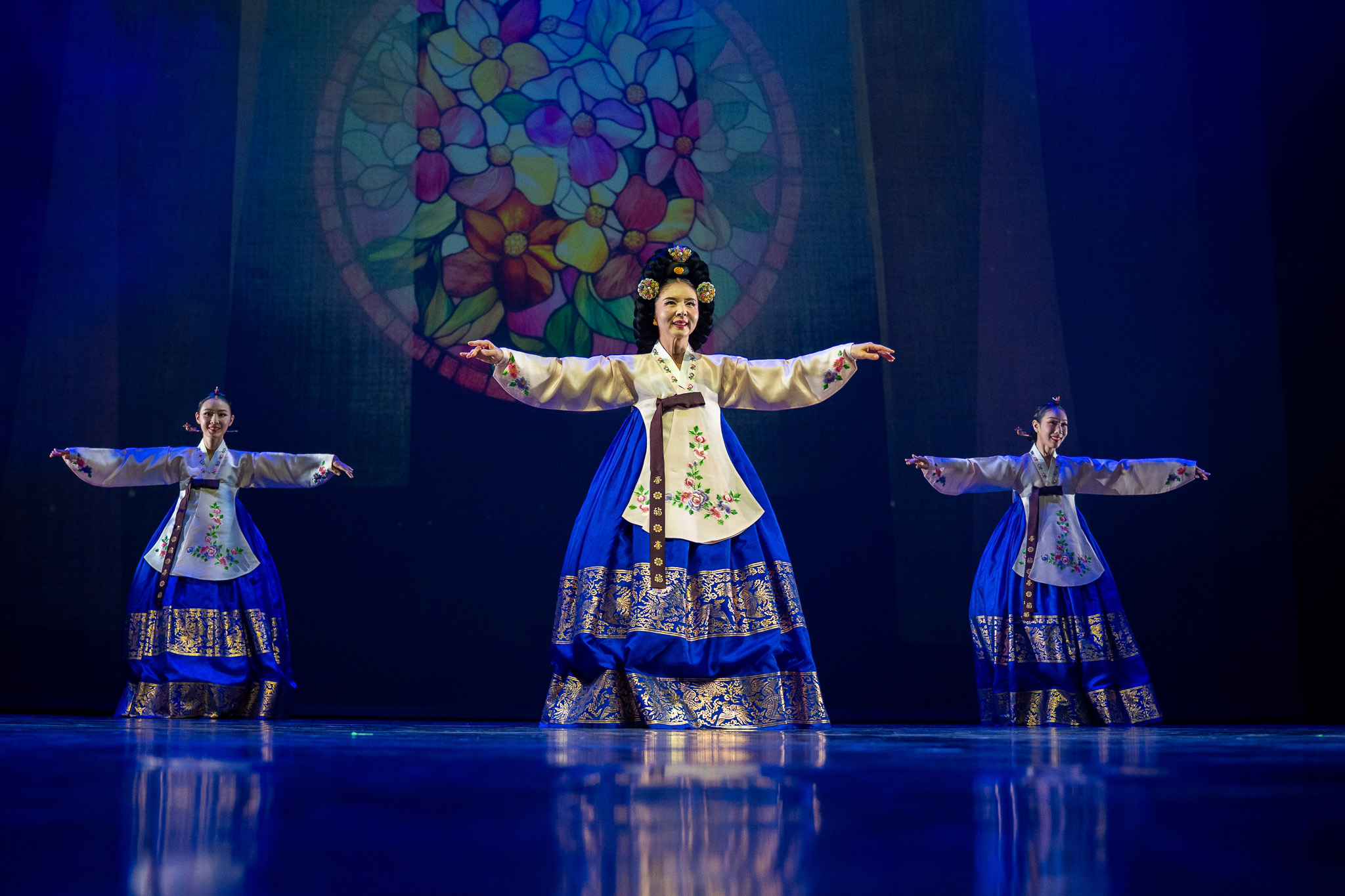
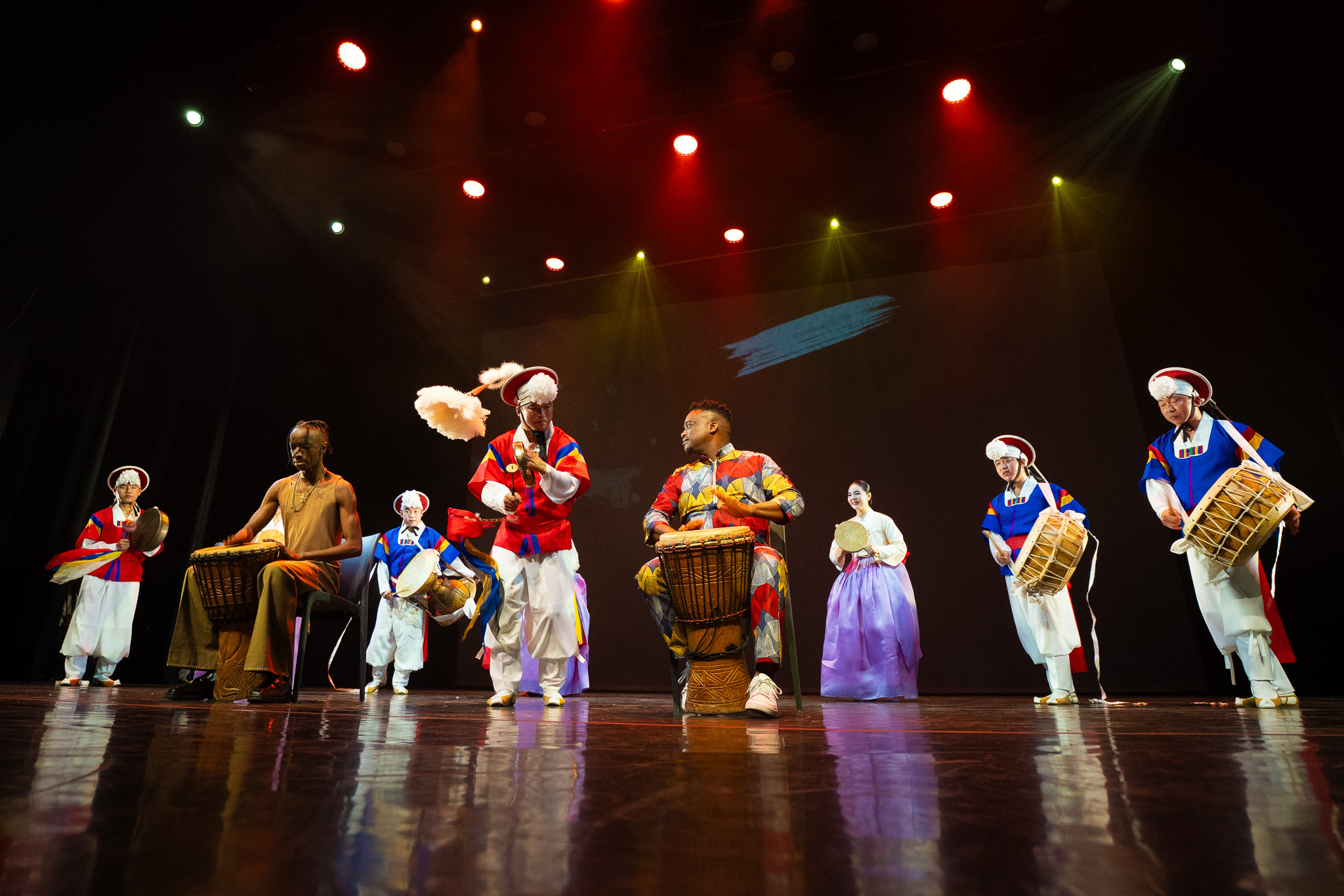
The programme opened with South African choral music before moving into Taepyeongmu, a traditional Korean dance distinguished by its controlled, elegant movements, and Samulnori, an energetic percussion form performed on four traditional Korean instruments.
One of the evening’s first cross-cultural encounters saw the driving rhythms of Samulnori meet African percussion, bringing two powerful percussion traditions together on the same stage.
The exchange also moved firmly into contemporary culture.
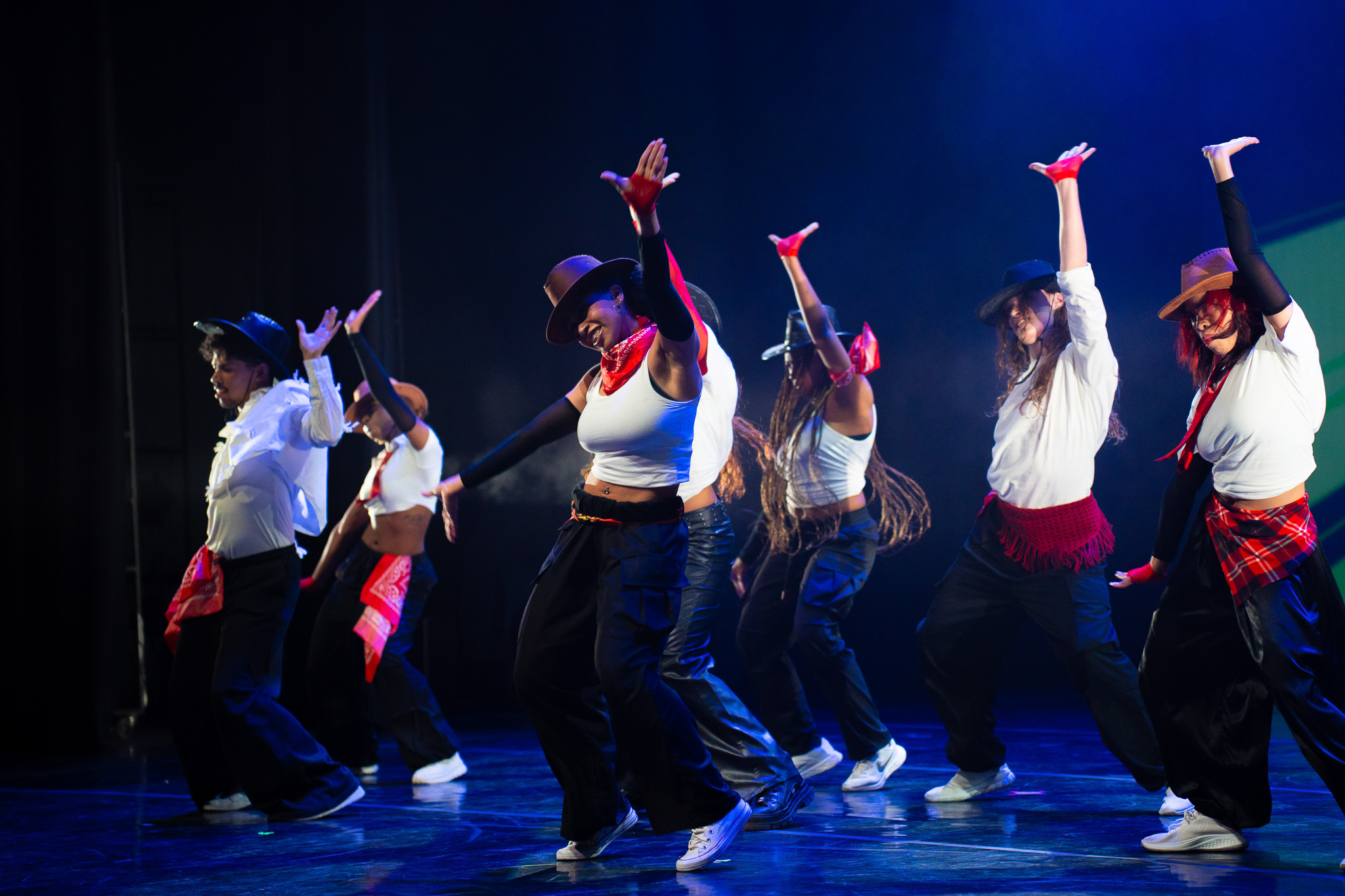
A South African choir reinterpreted K-pop through its own voices and harmonies, while local dancers who have trained in K-pop at the Korean Cultural Centre in South Africa turned the exchange in the other direction, bringing K-pop together with amapiano and gqom, two sounds born in South Africa.
Rather than treating “traditional” and “modern” as separate parts of the evening, the programme moved freely between them. Korean court dance sat alongside K-pop; traditional percussion met African rhythms; and South African performers moved between their own musical traditions and Korean popular culture.
The evening reached its peak with a large collaborative finale that brought Korean traditional percussion and dance together with K-pop, South African percussion and choral performance. Korean performers played drums and danced across the stage, spinning the long ribbons characteristic of Pangut and performing with the small handheld drums used in Sogo dance, while South African percussionists and singers joined K-pop dancers in the same performance. The result was a high-energy closing celebration in which Korean and South African rhythms, movement and voices all occupied the stage at once.
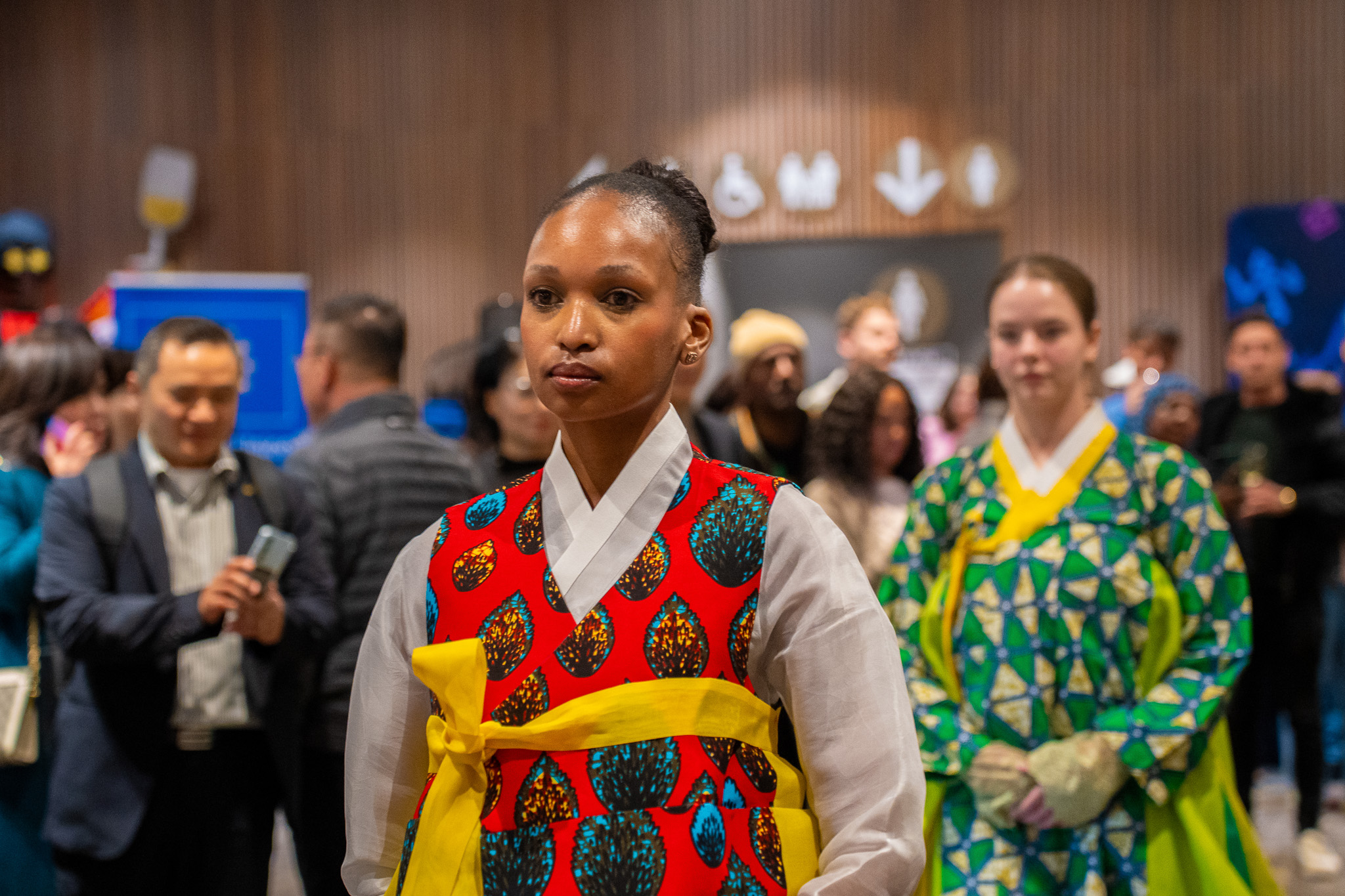
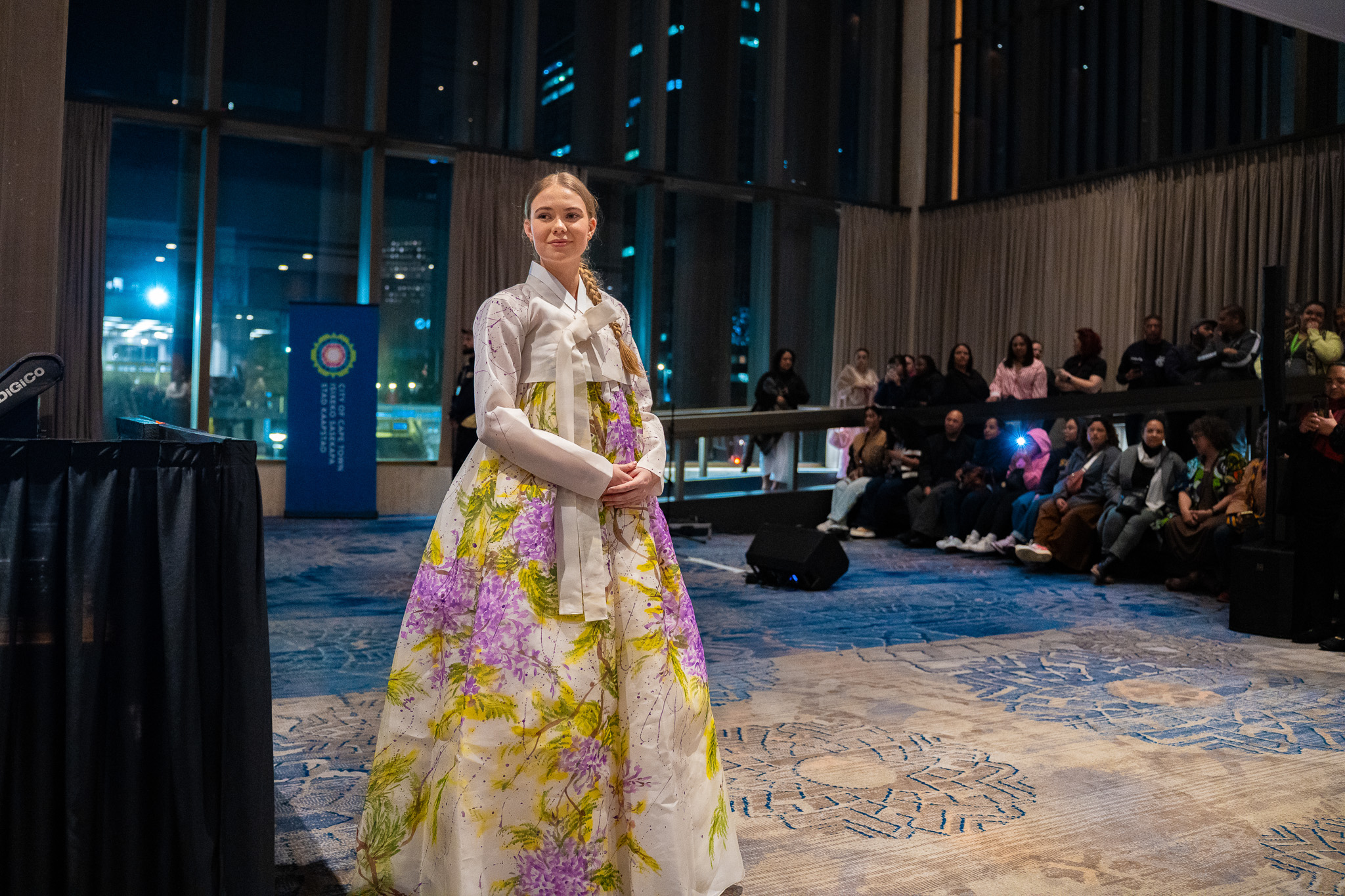
The cultural programme extended beyond the main stage. Before the performance, South African models presented Hanbok, Korea’s traditional attire, in a floor show in the Artscape foyer, giving audiences a closer look at the distinctive silhouettes, colours and details of Korean dress.
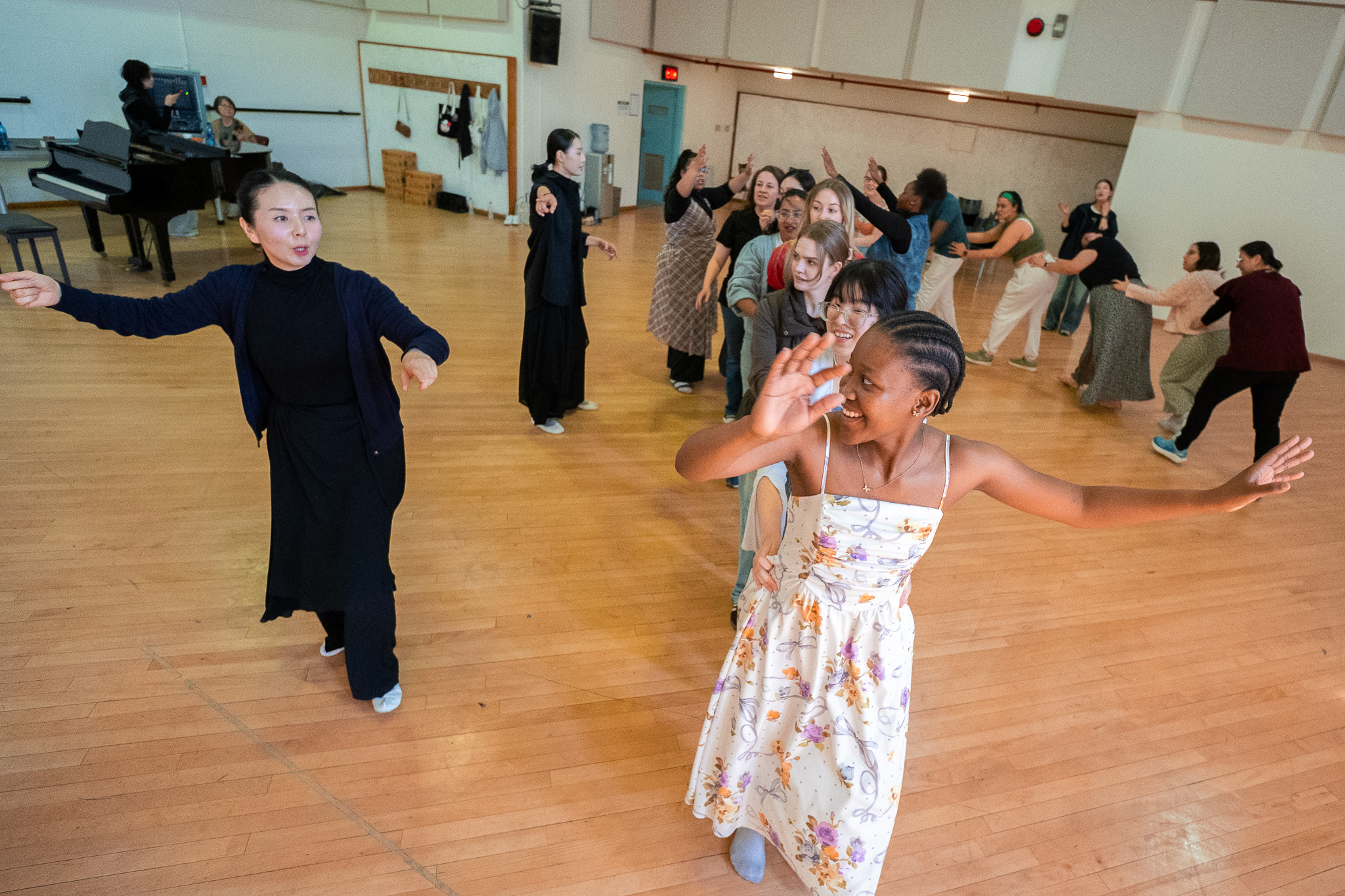
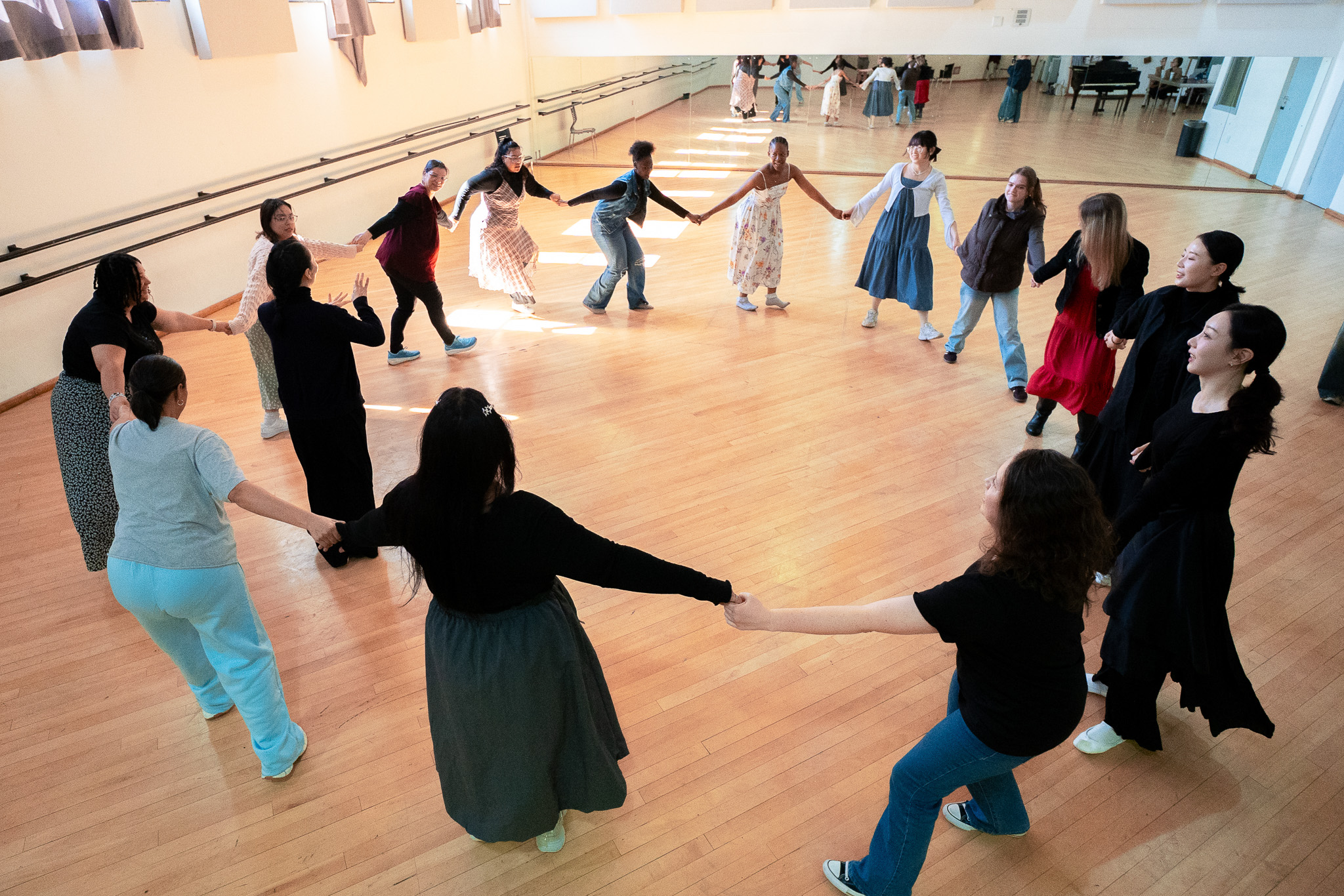
On Saturday, 19 September, dancers from the National Gugak Center also led a Korean traditional dance workshop, where participants learnt the movements of Ganggangsullae, a traditional Korean communal circle dance, and experienced the tradition for themselves.
The Cape Town programme formed part of WOMAD (World of Music, Arts and Dance), the international festival founded by musician Peter Gabriel in 1982. Over more than four decades, WOMAD has expanded across 32 countries, bringing artists and audiences together through music, arts and cultural exchange.
Jiyeol YOU, Director of the Korean Cultural Centre in South Africa, said the programme was designed not simply to present Korean culture in Cape Town, but to create opportunities for Korean and South African artists and audiences to experience and engage with each other’s cultures.
“What made this programme special was the way Korean and South African cultures genuinely met throughout the weekend. On stage, South African artists sang Korean music, shared rhythms with Korean musicians and brought their own sounds and movements into the performance, while Korean artists had the opportunity to experience and work with South African music and performers firsthand.”
“That same spirit continued beyond the stage, from introducing audiences to Hanbok to learning and dancing Ganggangsullae together. It was not simply about showing Korean culture to a South African audience, but about creating opportunities for people to participate, exchange and make something together.”
The programme was presented by the Embassy of the Republic of Korea and the Korean Cultural Centre in South Africa, in collaboration with the National Gugak Center and WOMAD Cape Town.
Korean Cultural Centre in South Africa (KCCSA) | 주남아공한국문화원
• Website: https://sa.korean-culture.org/en
• YouTube: https://www.youtube.com/@kccsa
• Instagram: https://www.instagram.com/kcc.sa/
• Facebook: https://www.facebook.com/kccsa

 Facebook
 X
 YouTube
 Instagram
