
News
Love K-Dramas? Meet the Digital Comics Behind Korea’s Storytelling Boom
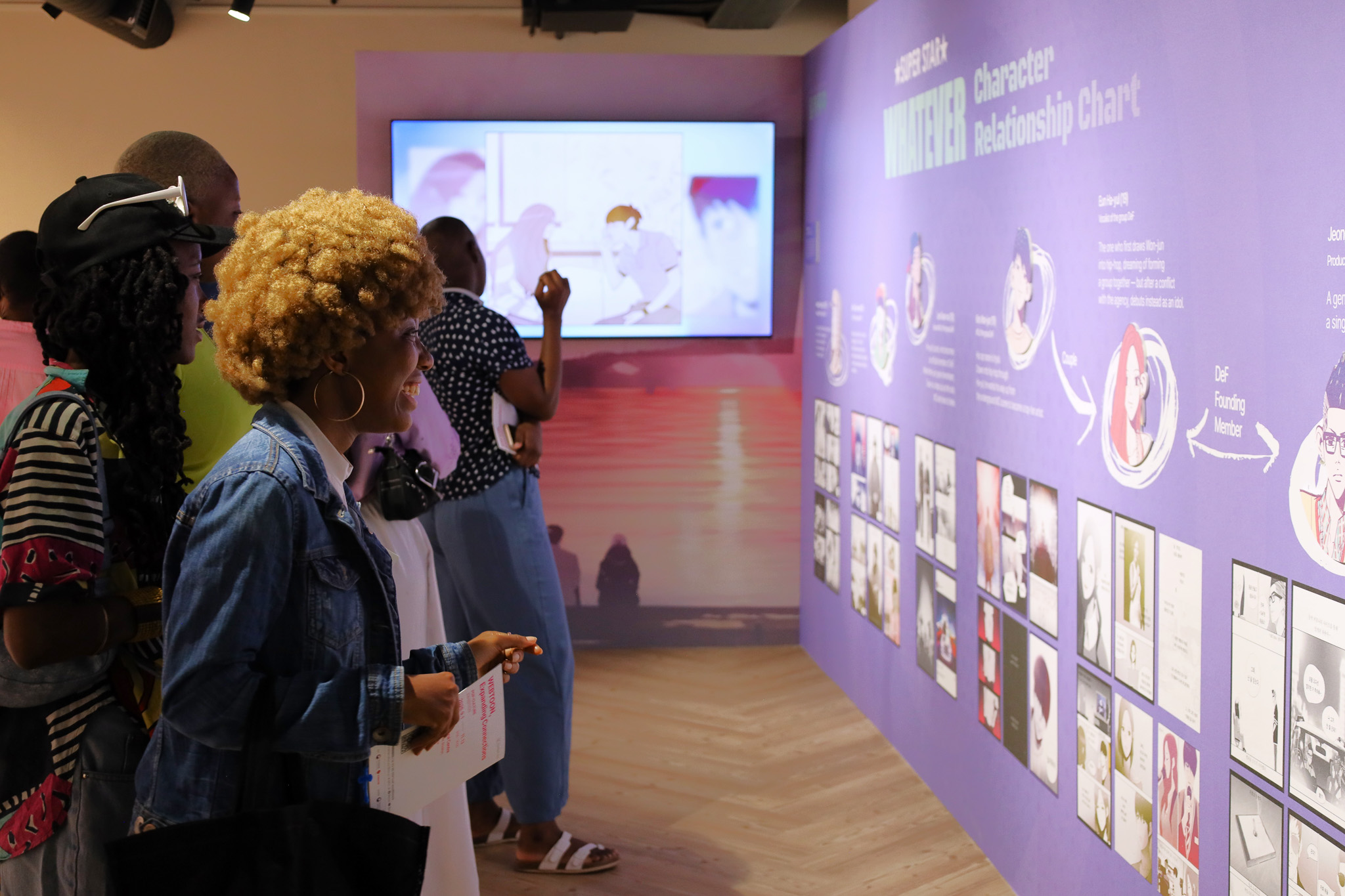
You may have watched a K-drama without realising that its story began somewhere else.
Before some Korean stories reached television and film screens, their characters and worlds were already being followed by readers through webtoons, Korea’s distinctive form of digital comics designed to be read vertically by scrolling down a smartphone or computer screen.
The name combines “web” and “cartoon”, but what began as a new way of reading comics in Korea has grown into something much bigger. As K-dramas, Korean films and other K-content continue to build audiences around the world, webtoons have become an increasingly important source of stories and creative ideas that travel into television, film, animation, games, music and beyond.
The influence is already visible in some of the Korean titles that have travelled furthest internationally. Hit K-dramas such as Itaewon Class, True Beauty, Sweet Home, All of Us Are Dead and Moving all began as webtoons, demonstrating just how widely the format now feeds into the Korean entertainment audiences encounter on screen.
Now, a new exhibition in Pretoria is putting this lesser-known creative force behind the Korean Wave in the spotlight.
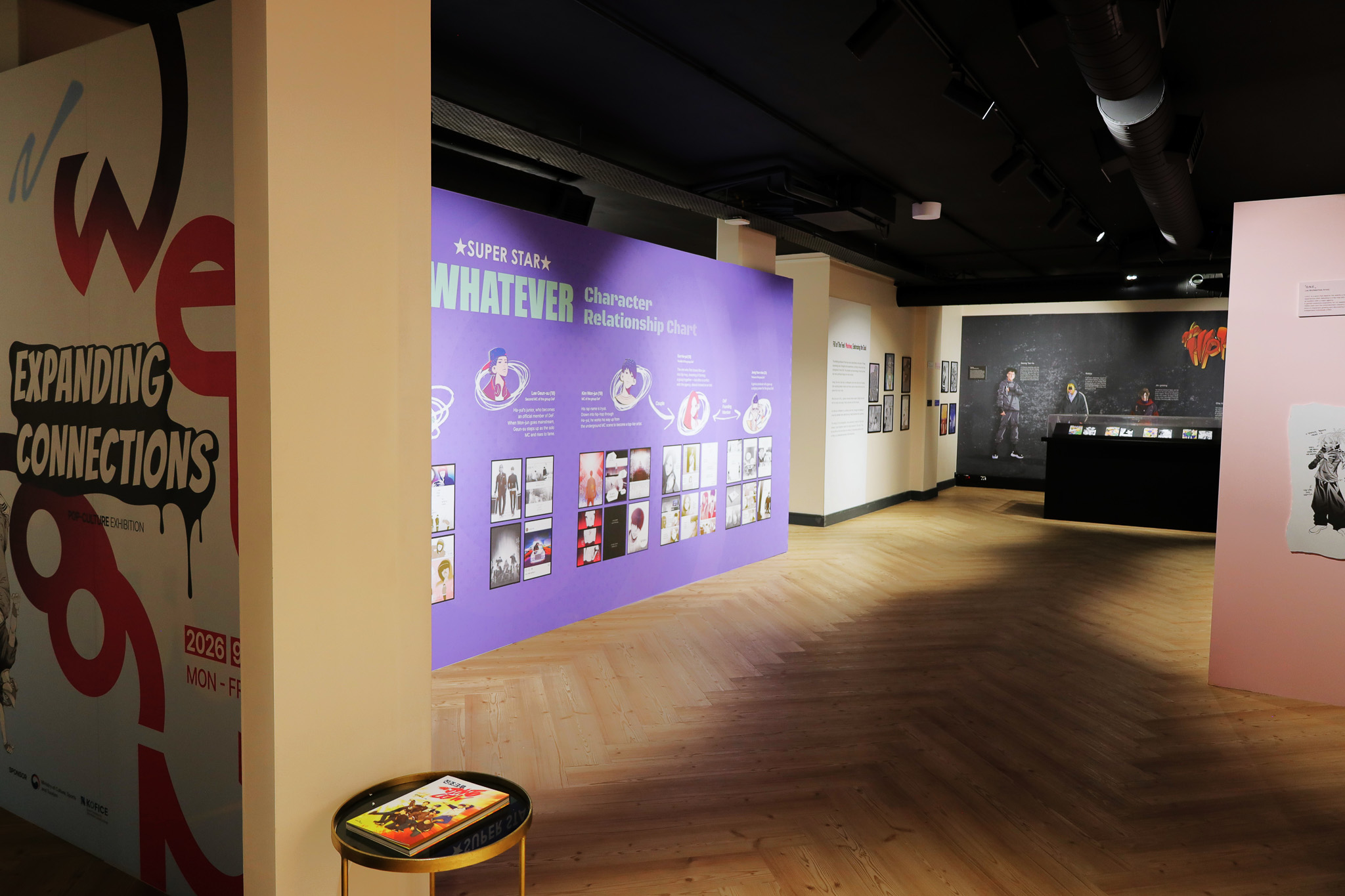
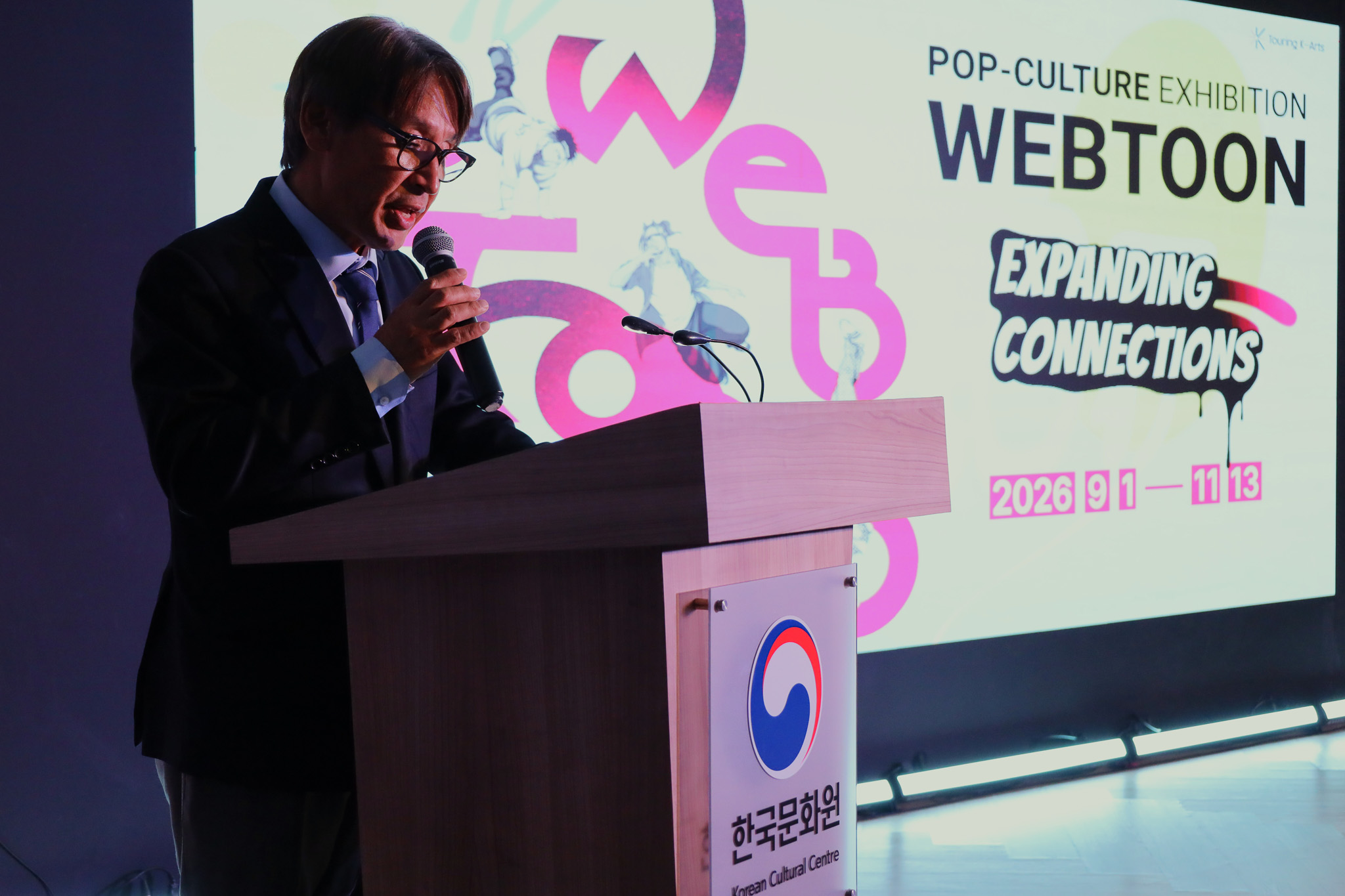
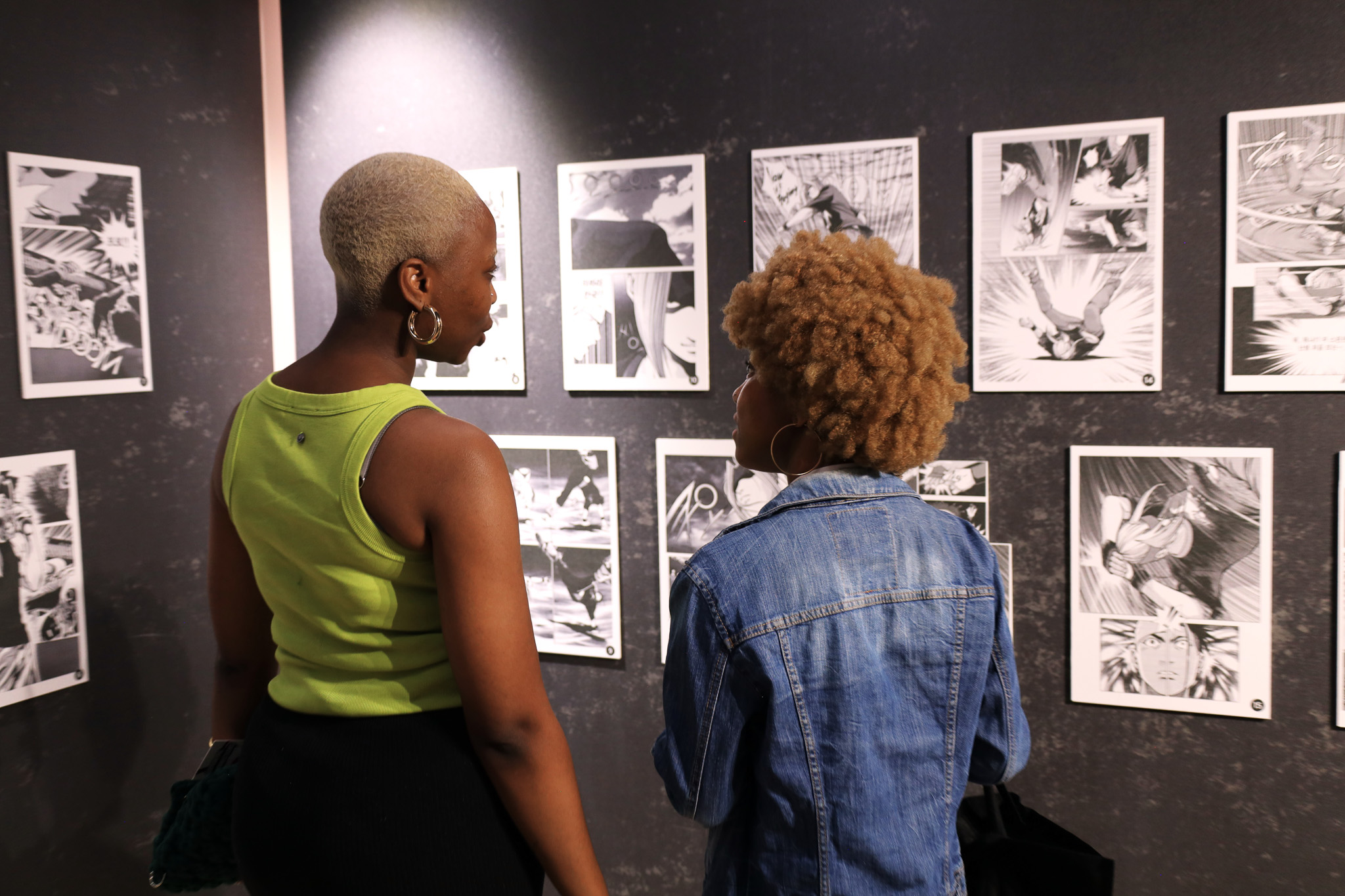
Opened on 1 September at the Korean Cultural Centre in South Africa, WEBTOON: Expanding Connections introduces South African audiences to the evolution of Korean comics and the rise of webtoons, tracing their journey from the printed page to the vertical scroll and, increasingly, from smartphone screens into the wider world of global entertainment.
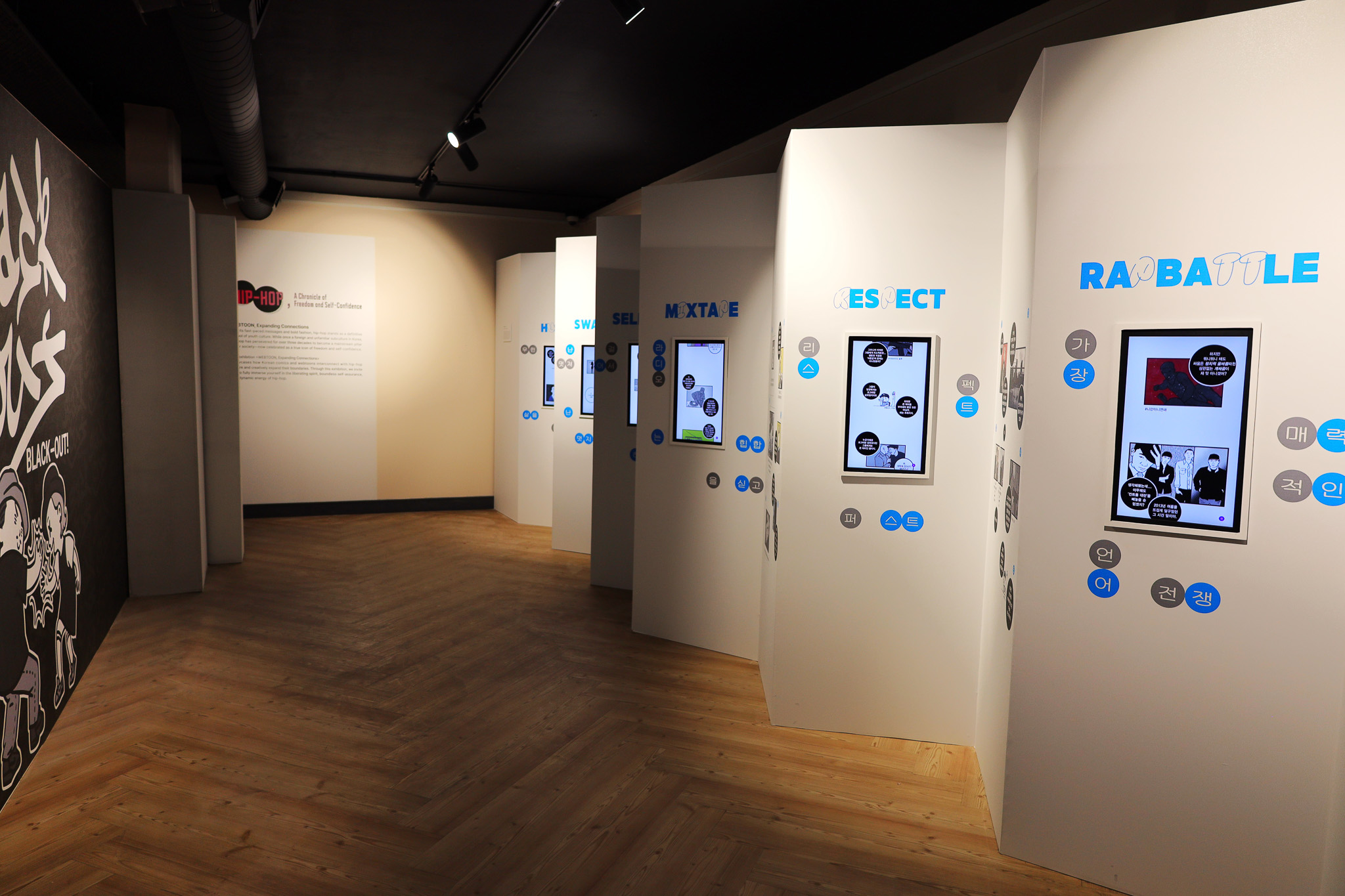
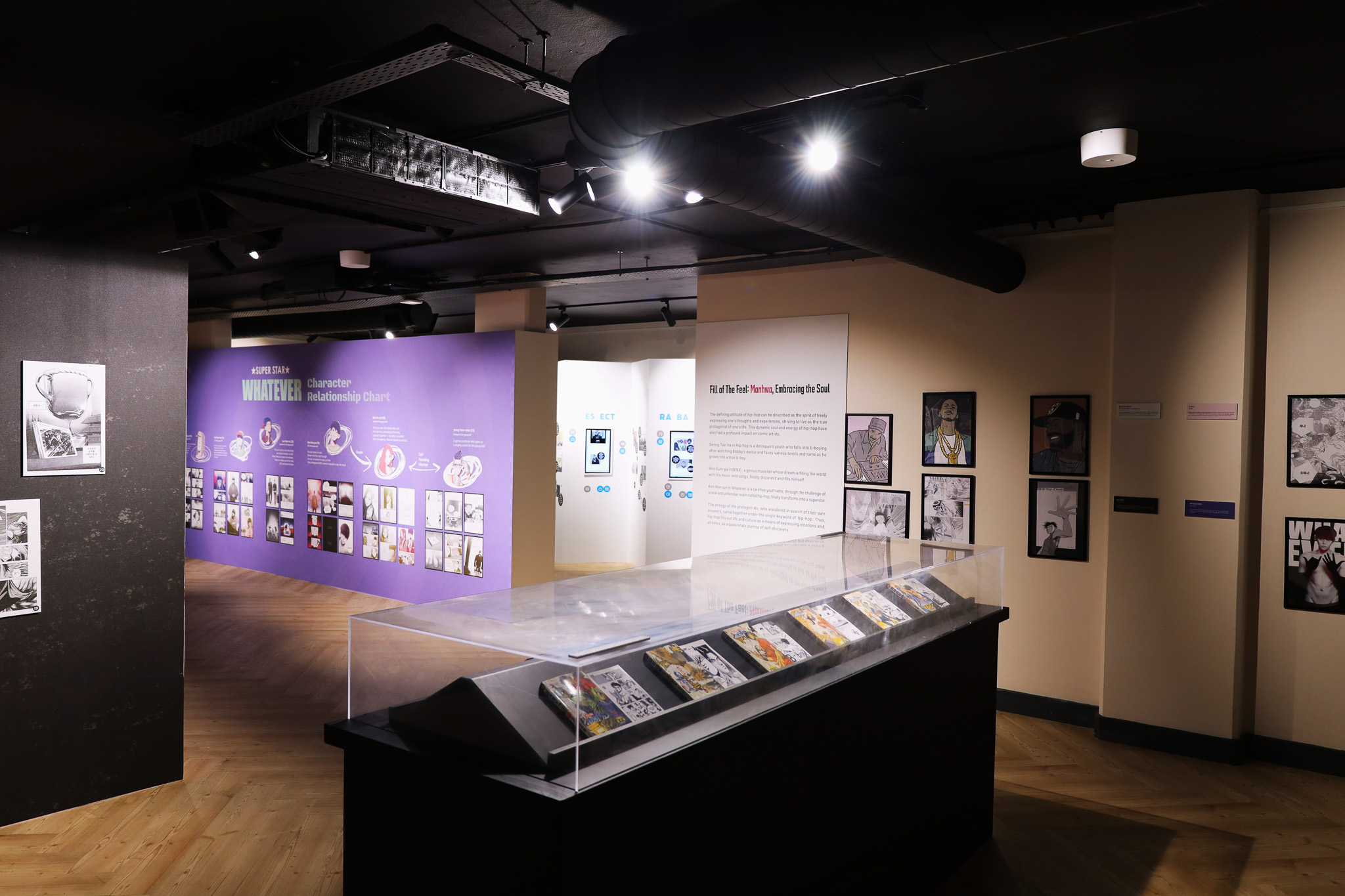
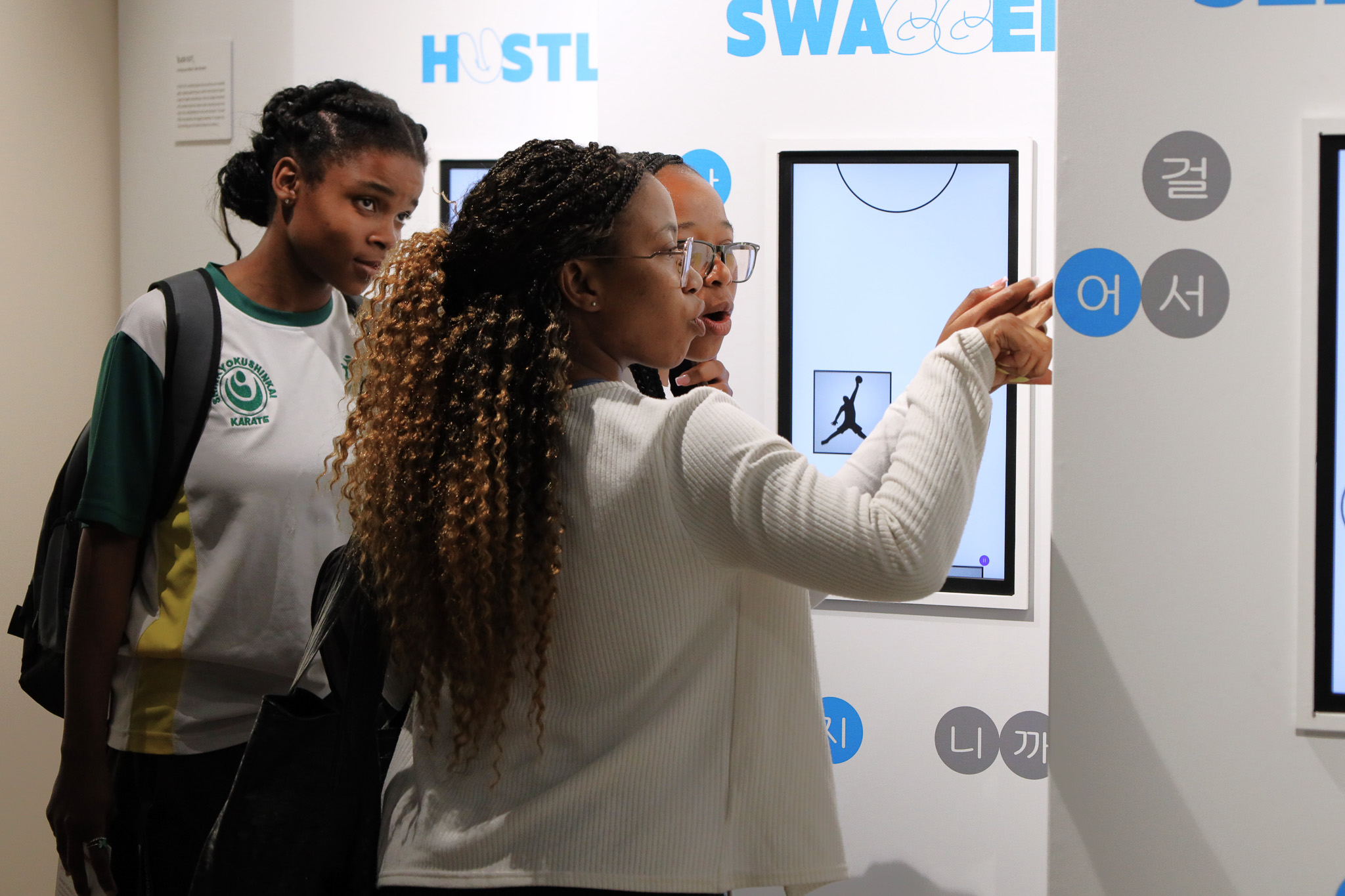
For South Africans accustomed to encountering Korean stories through K-dramas, films and other screen content, the exhibition offers a chance to explore another part of the creative culture behind them. Rather than presenting that story through comics alone, the exhibition brings together comic books, artworks, video, music and installations, showing how changes in technology have transformed not only where comics are read, but how stories are created, experienced and shared.
The move from page to screen is only part of that story. WEBTOON: Expanding Connections also looks at the way Korean comics have continually crossed into other areas of popular culture.
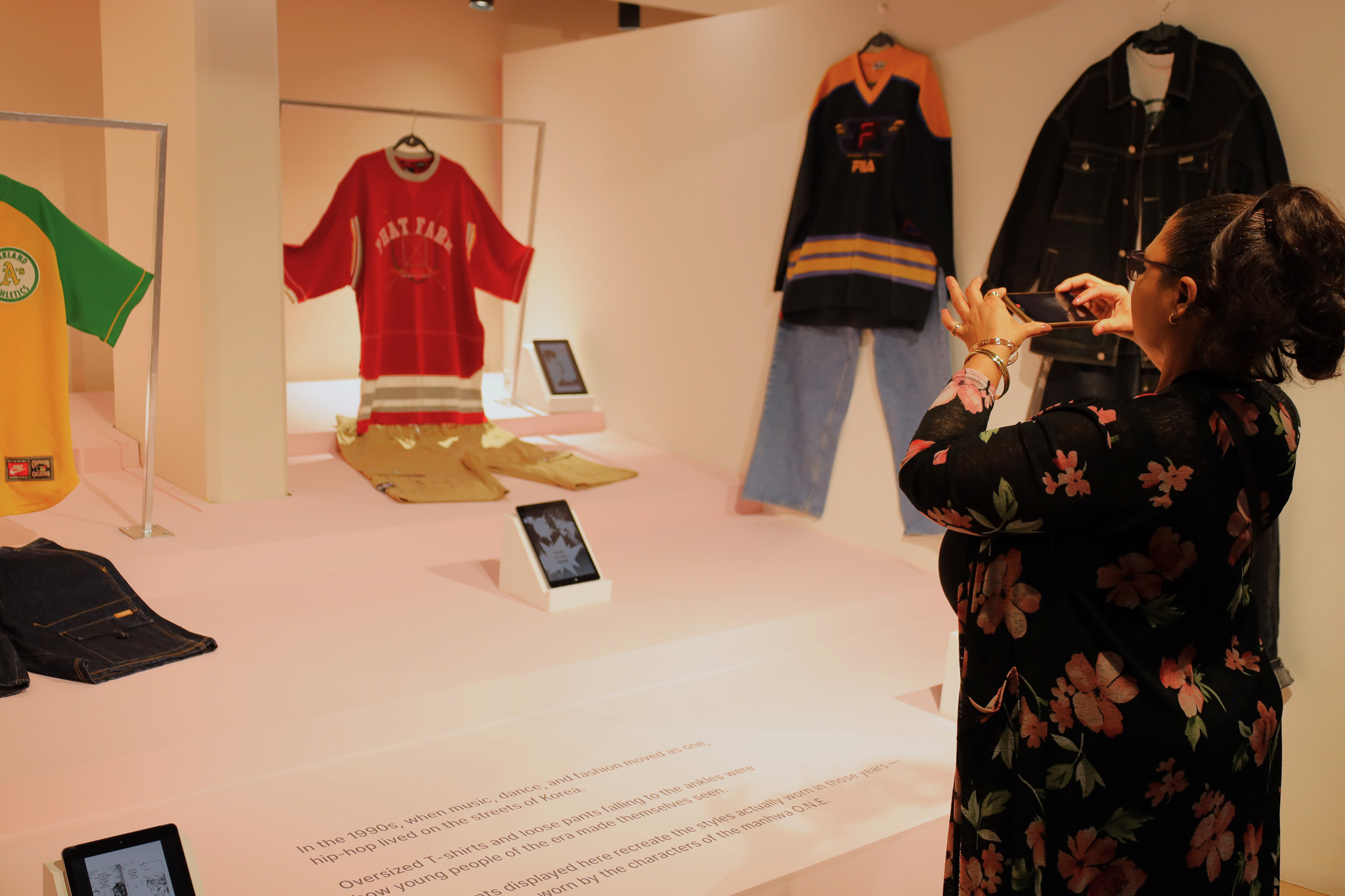
One particularly colourful example is hip-hop.
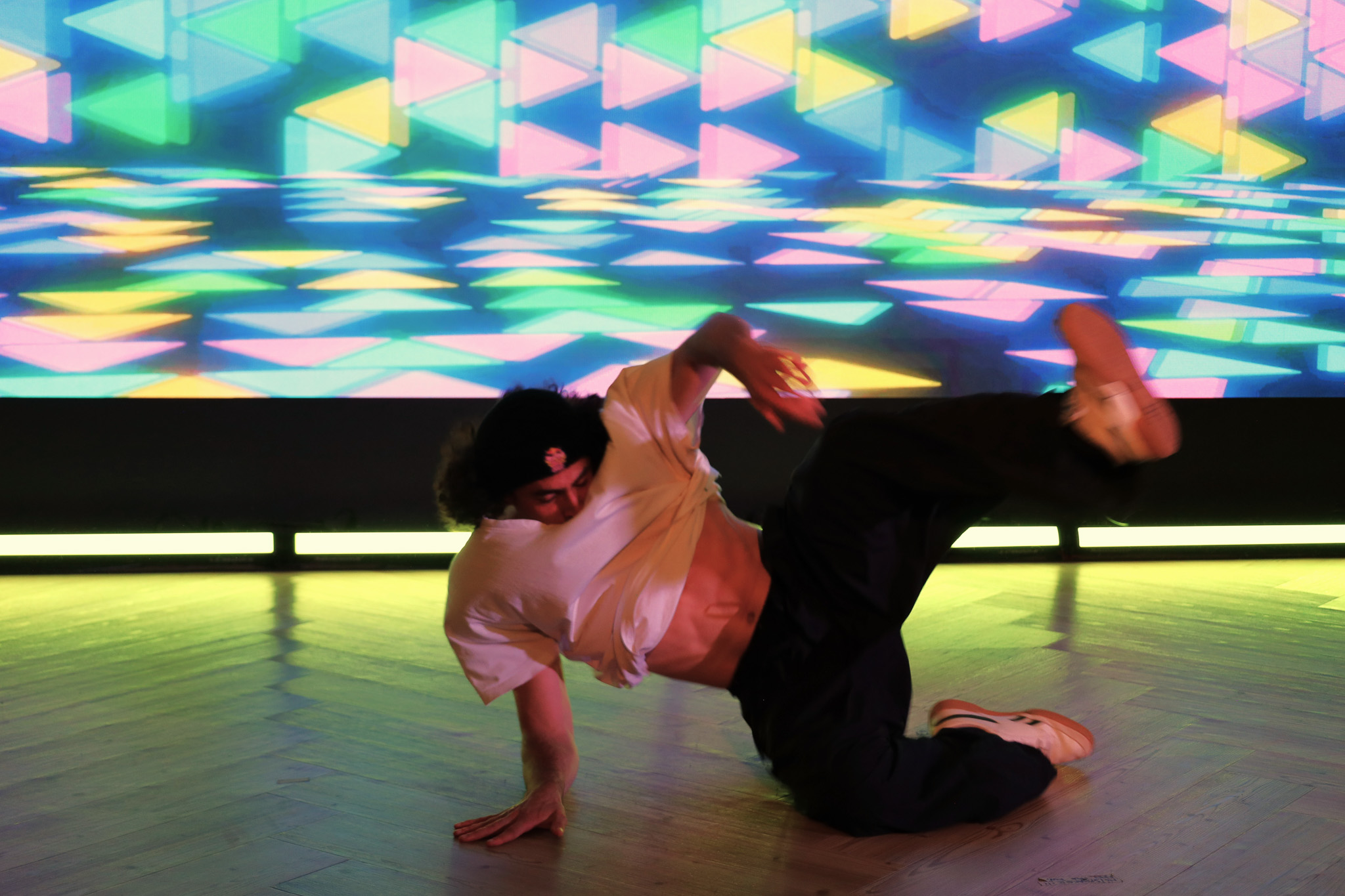
Across different generations of Korean comics and webtoons, hip-hop has appeared as more than simply music. Its influence can be found in stories about b-boying, fashion, youth culture, identity, freedom and self-expression, making it a fitting example of how comics can absorb the culture around them and transform it into something new.
The exhibition explores that relationship through works by four Korean creators. Kim Soo-yong’s Hip Hop, Korea’s first comic centred on b-boying, contributed to the growth of the country’s b-boy culture, while Lee Bin’s O.N.E. tells a story of music and youth against the backdrop of Korea’s 1990s idol culture. Kim Jae-han’s WHATEVER combines webtoon storytelling with hip-hop music, while Kim Bong-hyun’s BLACK-OUT! introduces readers to hip-hop itself as a wider cultural phenomenon.
Together, the works point towards the larger idea behind WEBTOON: Expanding Connections. The evolution of Korean comics is not simply a story of paper being replaced by smartphones. It is a continuing exchange between images and music, technology and creativity, creators and audiences, and increasingly, Korea and the wider world.
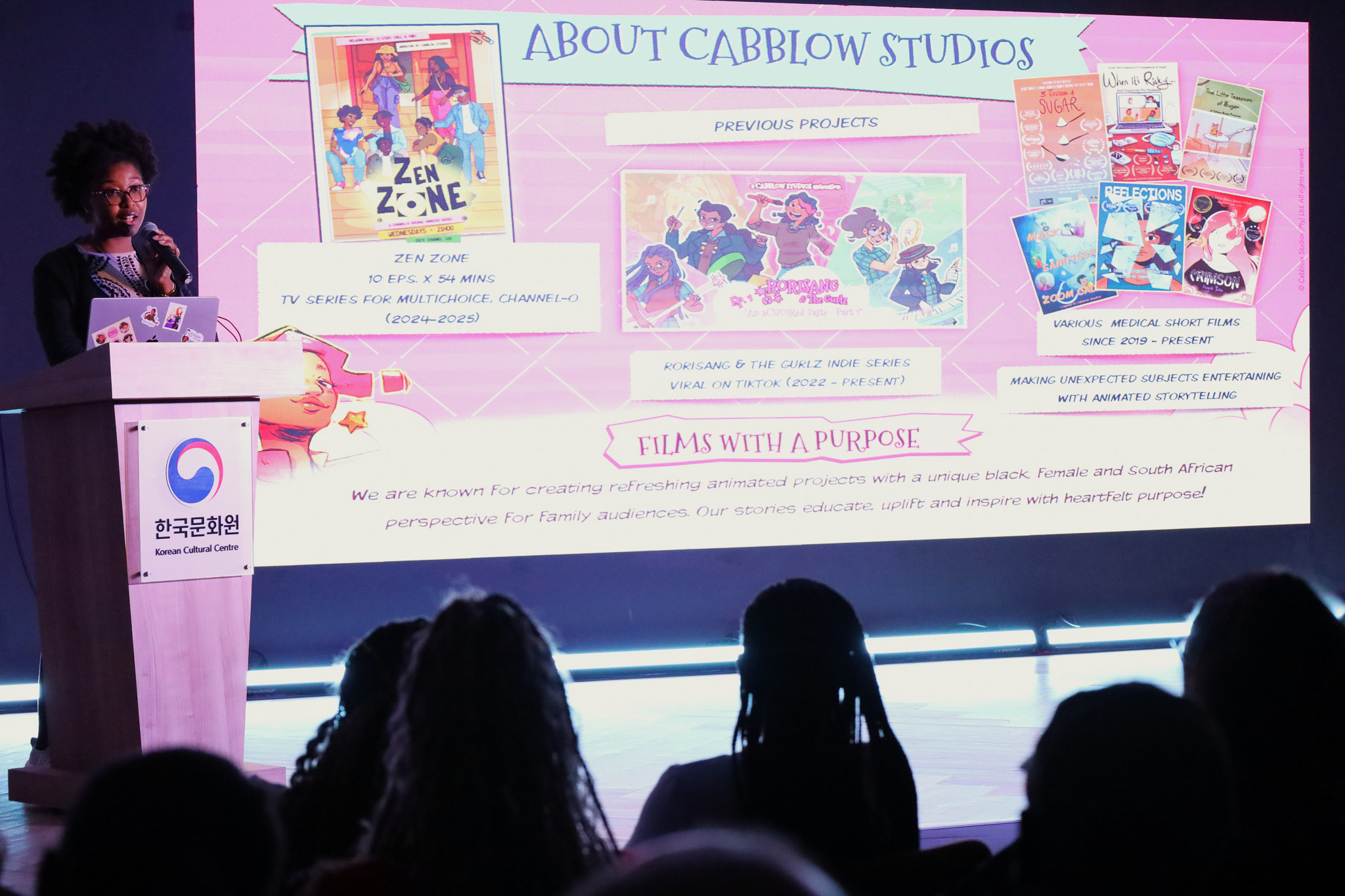
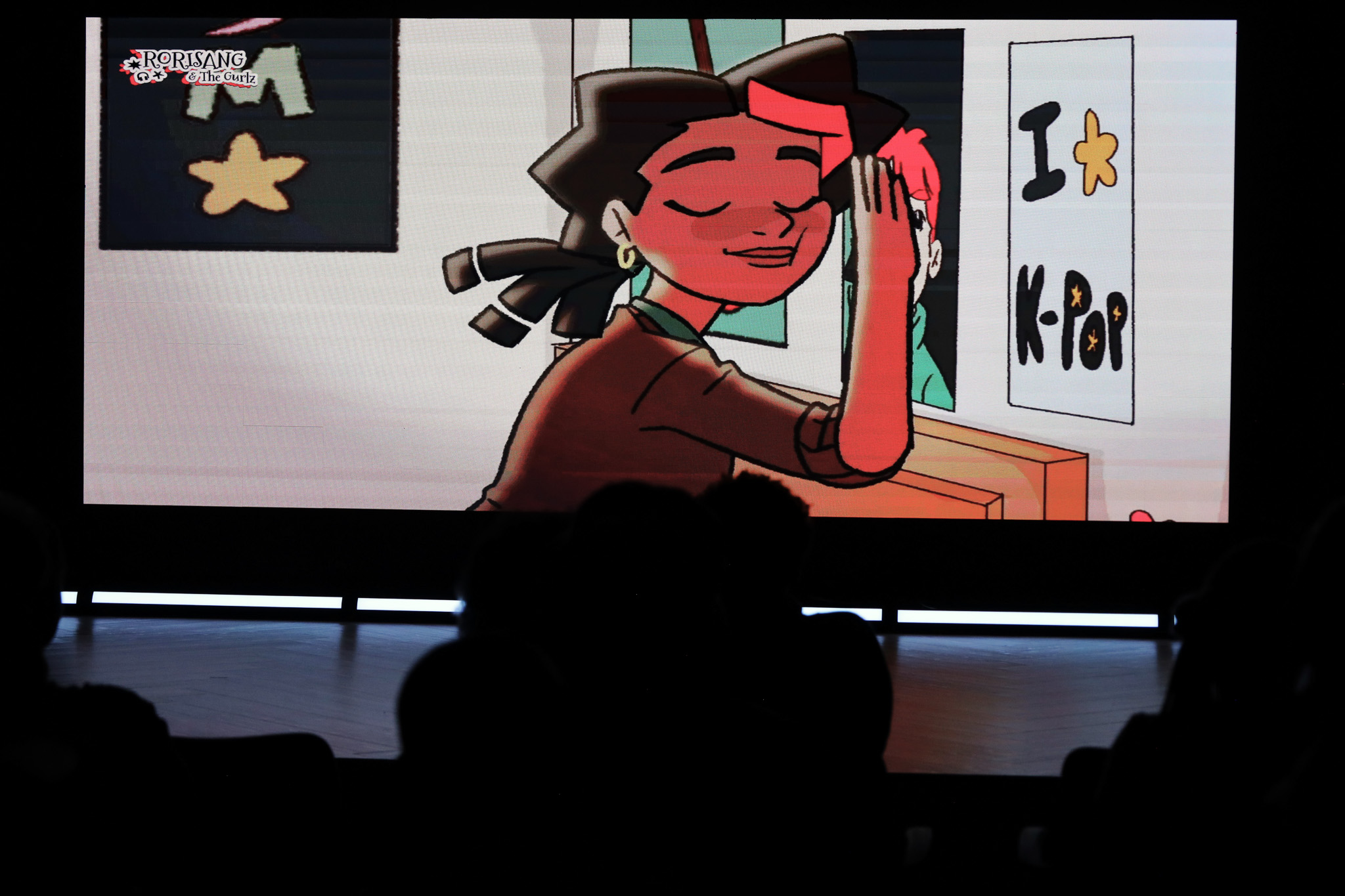
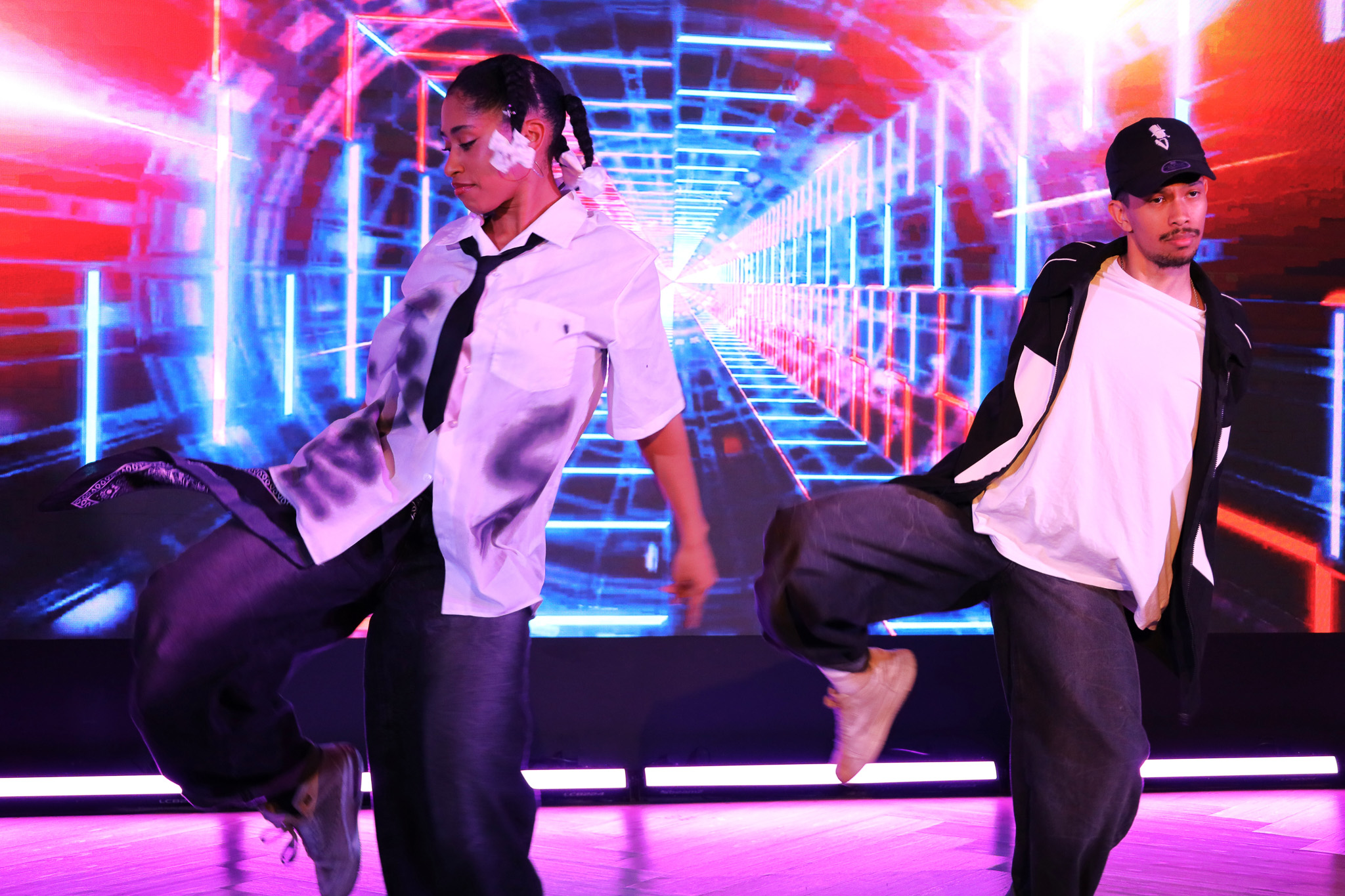
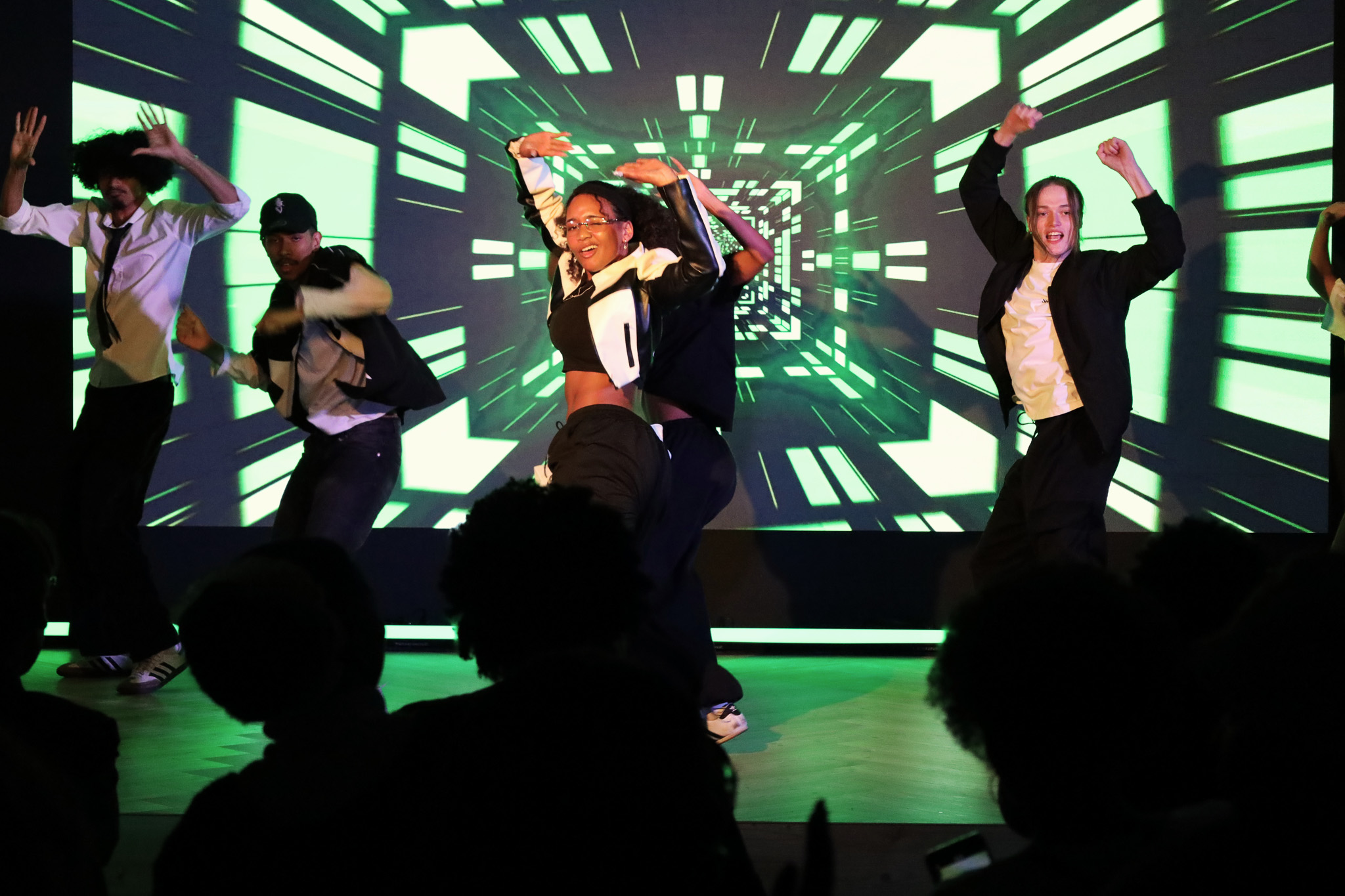
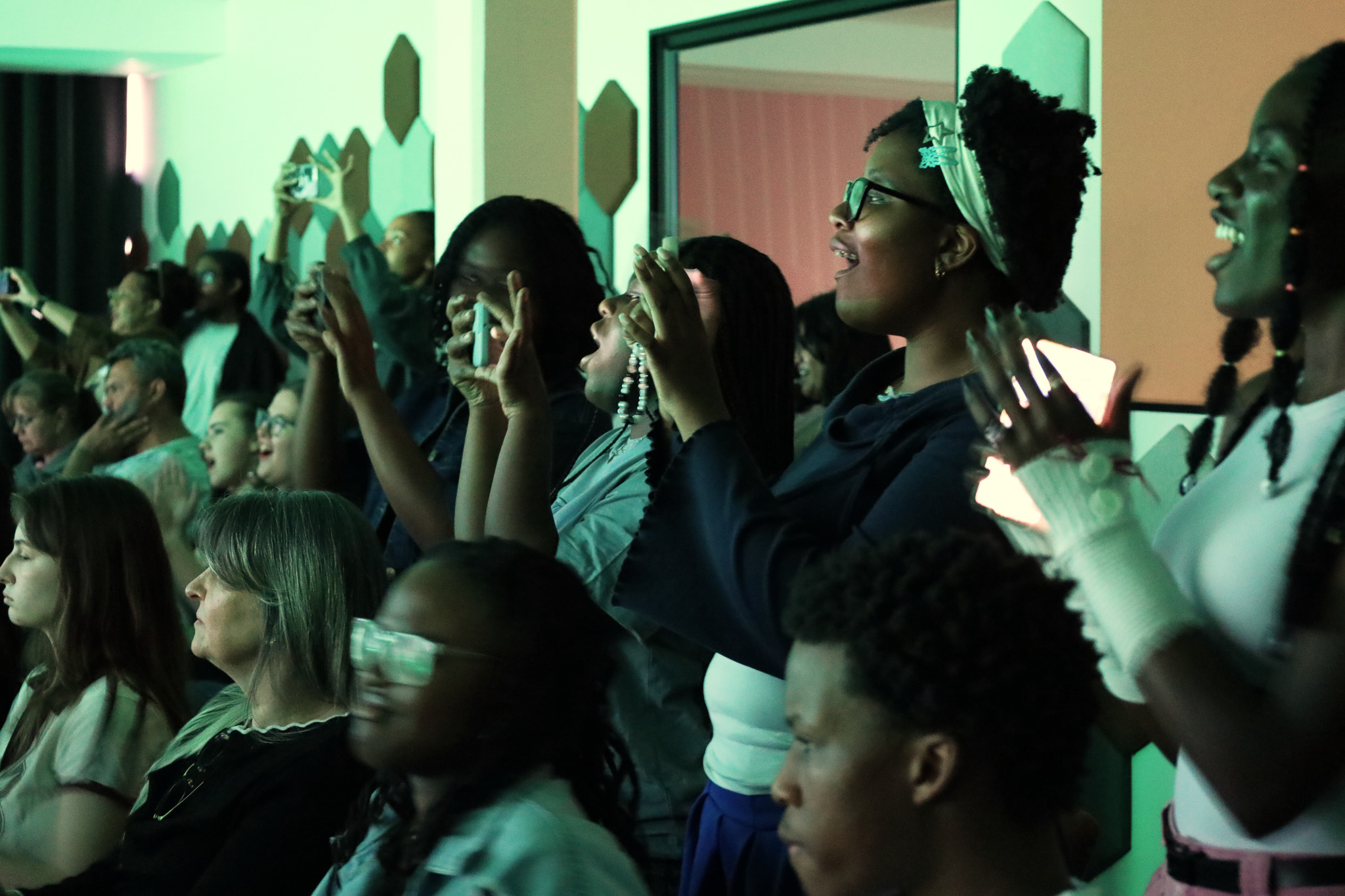
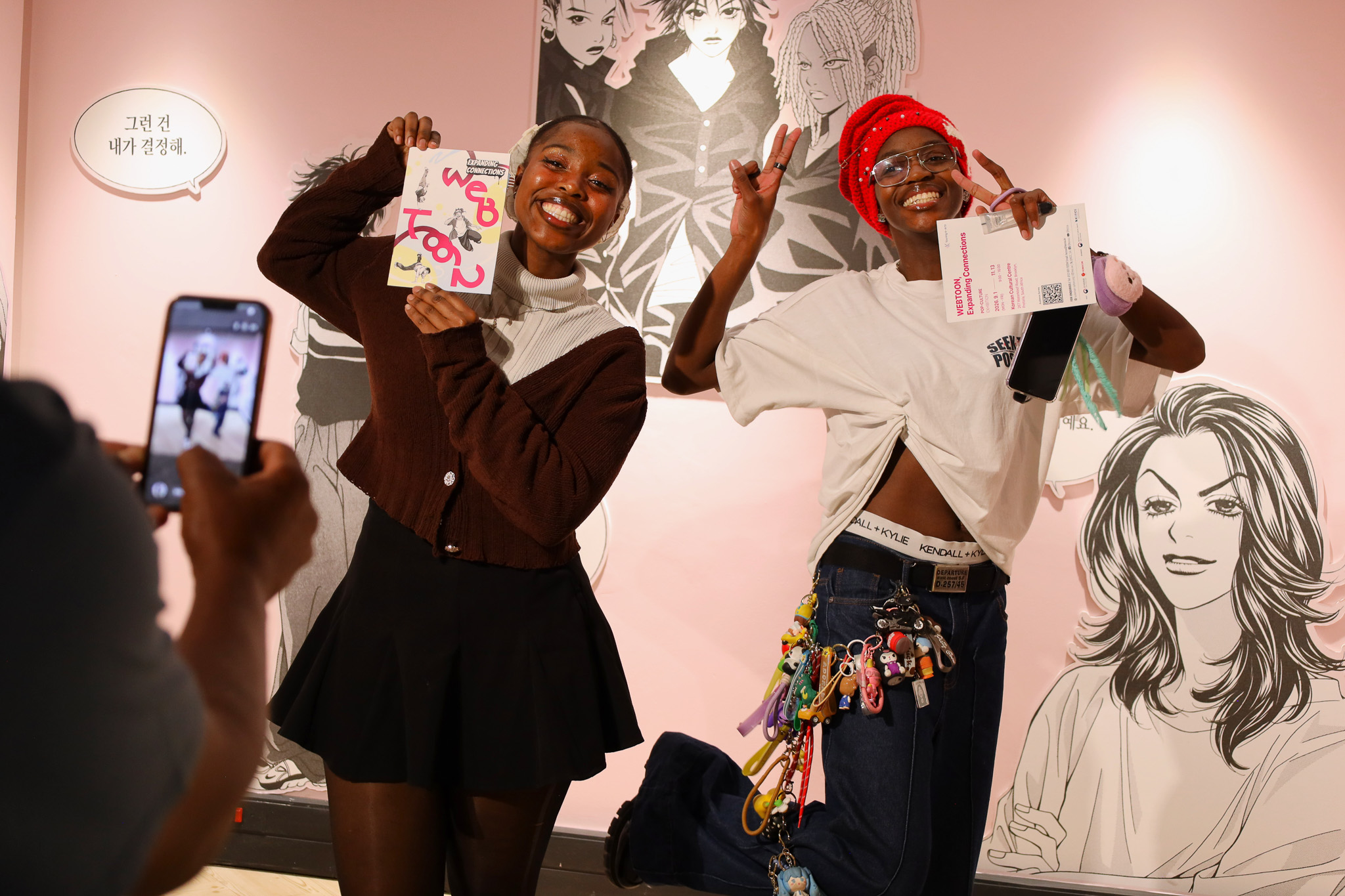
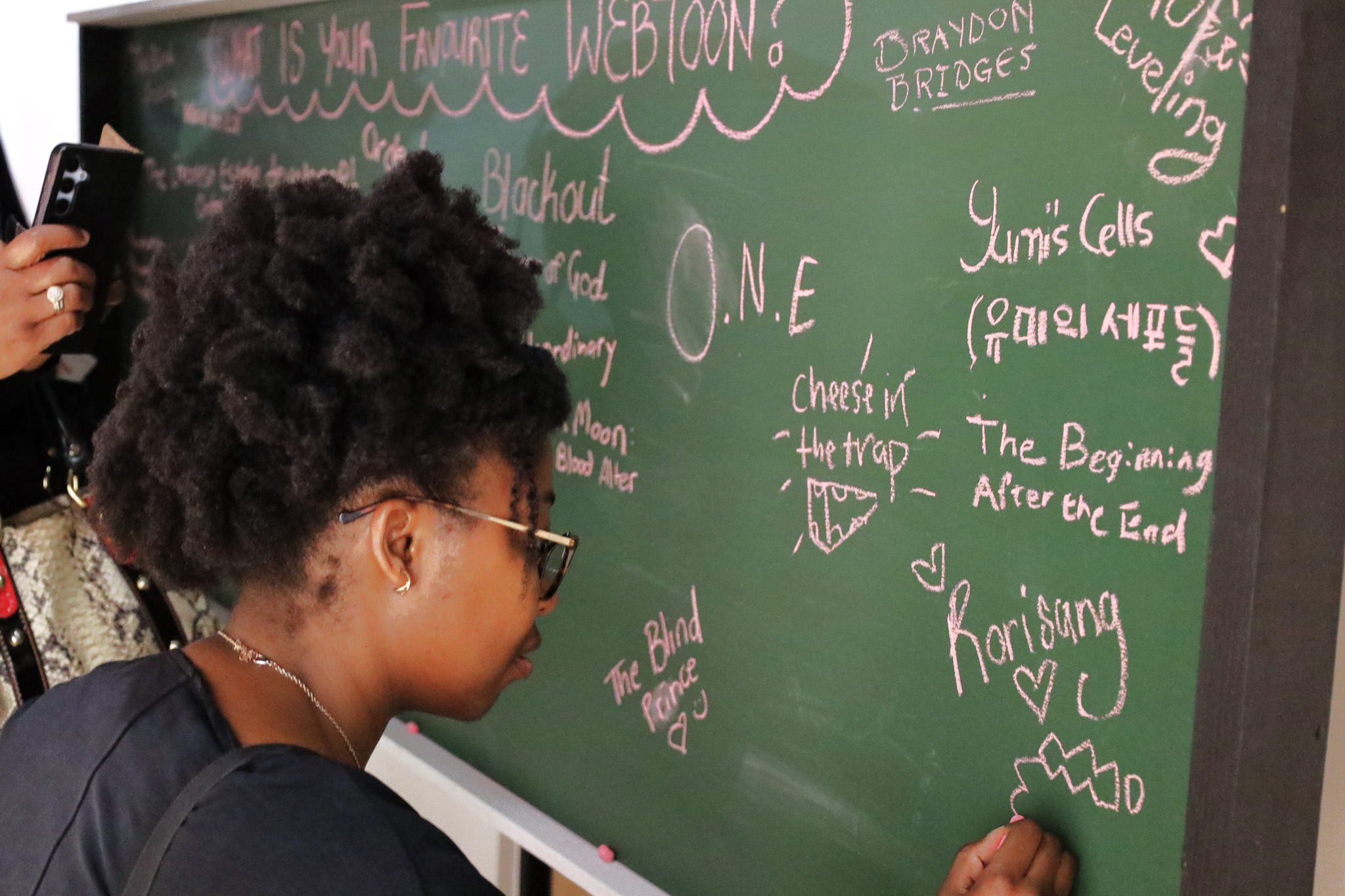
That spirit carried into the exhibition’s opening on 1 September, which attracted members of South Africa’s comics, illustration and wider arts communities alongside general visitors. Guests were introduced to the exhibition through a guided tour, while a special performance bringing K-pop and hip-hop together gave the evening another dimension. The opening also prompted conversations around Korea’s distinctive digital comics culture and the possibilities that emerge as webtoons increasingly connect with other creative industries and audiences.
The exhibition comes to South Africa as part of Touring K-Arts, an initiative supporting Korean arts and cultural programmes presented internationally. WEBTOON: Expanding Connections is presented by the Korean Cultural Centre in South Africa and the Korea Manhwa Contents Agency, with Touring K-Arts supported by Korea’s Ministry of Culture, Sports and Tourism and the Korean Foundation for International Cultural Exchange.
WEBTOON: Expanding Connections runs at the Korean Cultural Centre in Pretoria until 13 November 2026, with admission free. For South Africans who already know Korea through K-dramas, films, music and other K-content, the exhibition offers a chance to discover another part of the story: the digital comics helping Korean stories move from a scroll on a screen into popular culture around the world.
Korean Cultural Centre in South Africa (KCCSA) | 주남아공한국문화원
• Website: https://sa.korean-culture.org/en
• YouTube: https://www.youtube.com/@kccsa
• Instagram: https://www.instagram.com/kcc.sa/
• Facebook: https://www.facebook.com/kccsa

 Facebook
 X
X
 YouTube
 Instagram
